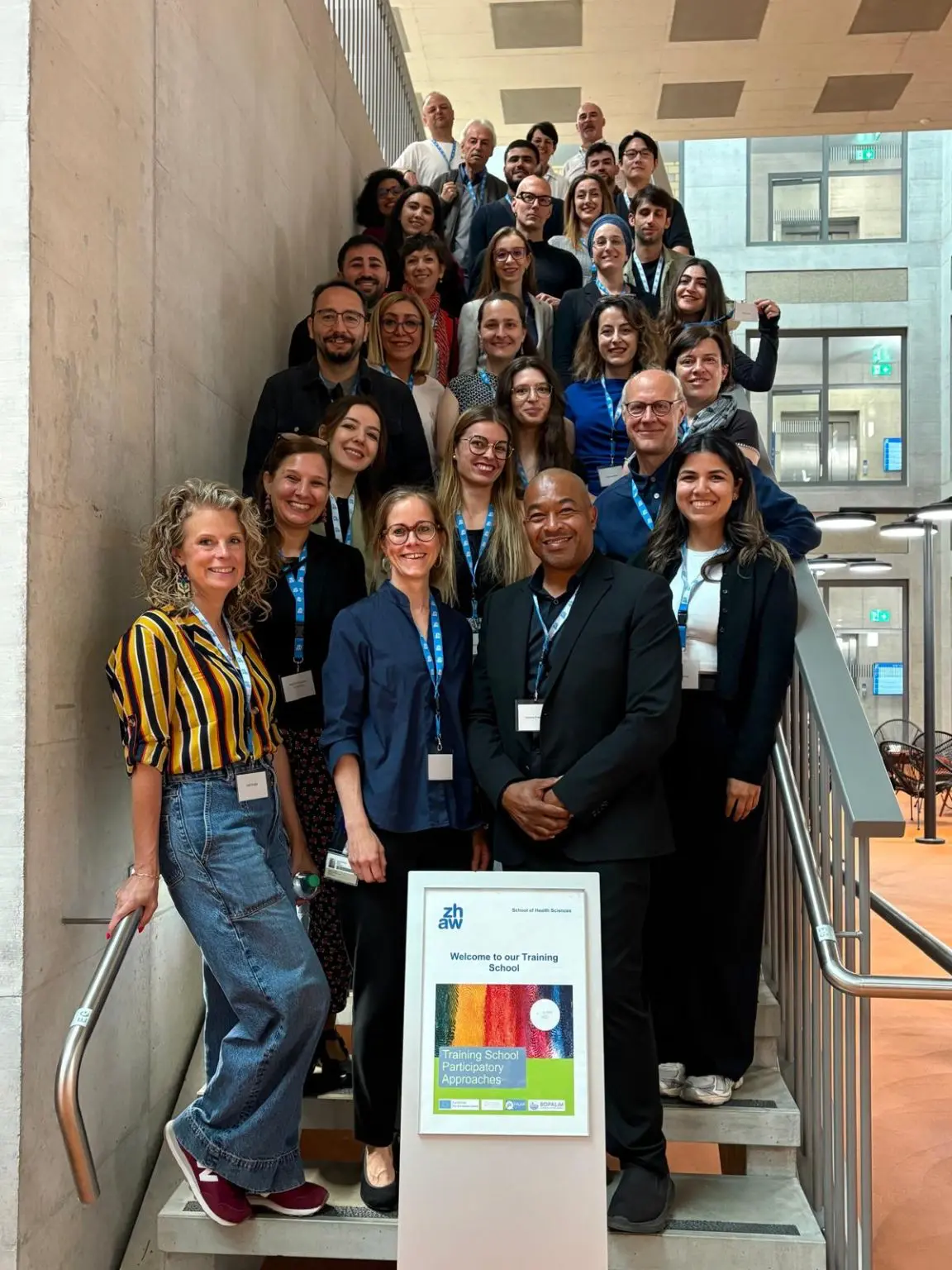
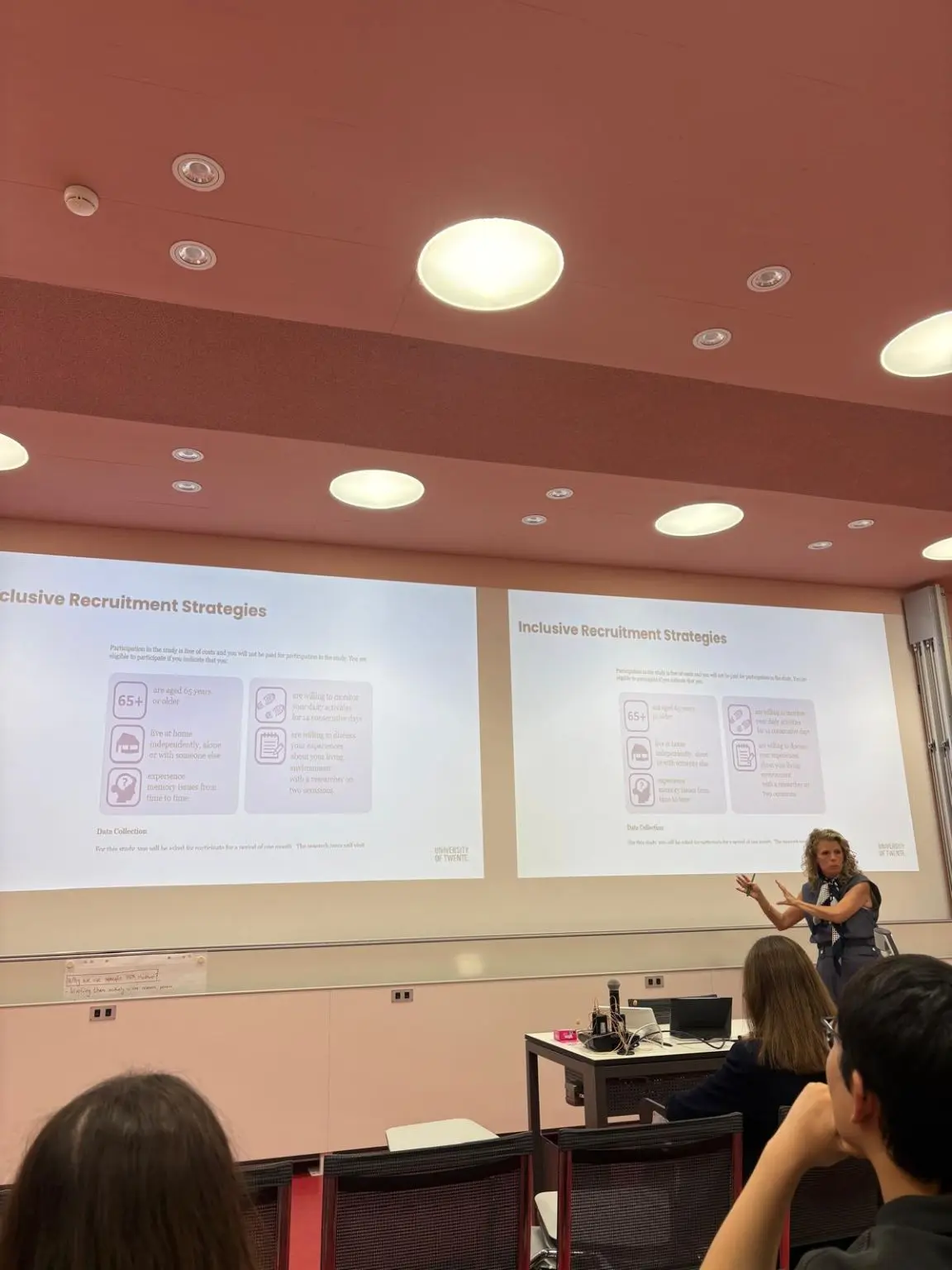
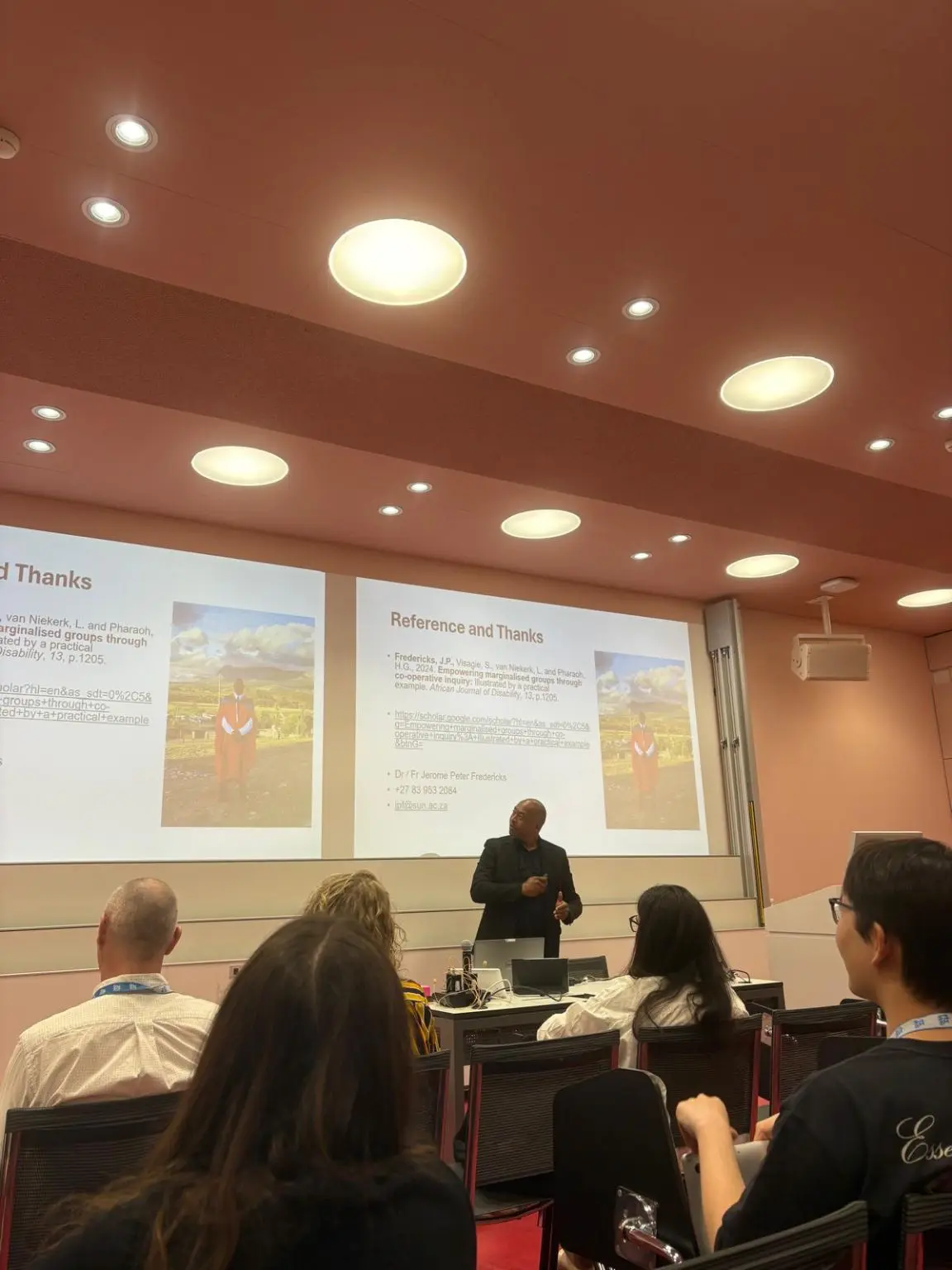
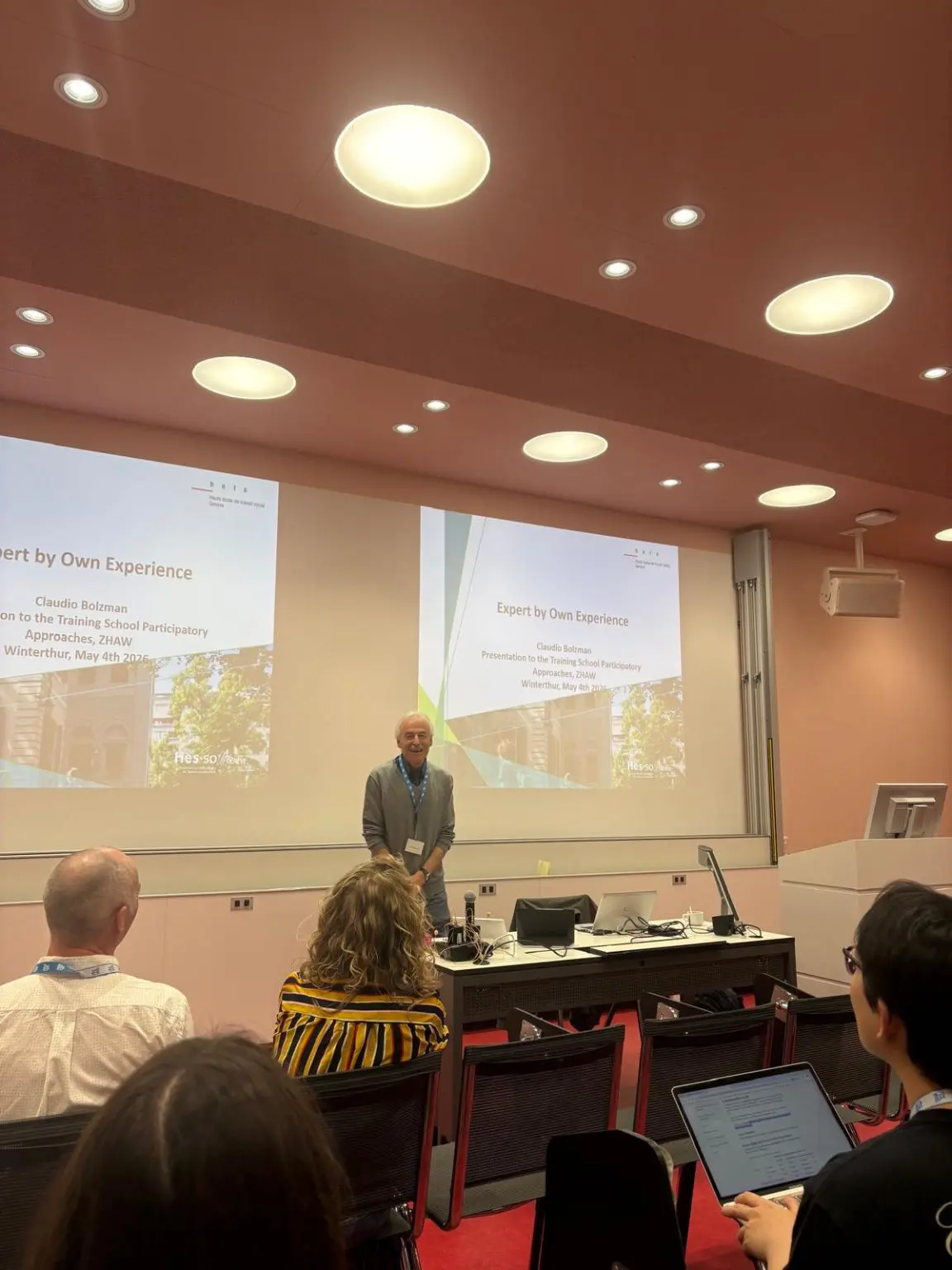
The Joint Training School “Participatory Approaches”, organised by COST Action BOPALiM (CA23101) and PAAR-Net (CA22167), successfully took place on 4–6 May 2026 at the ZHAW School of Health Sciences in Winterthur, Switzerland.
Across three inspiring days, participants from different countries and disciplines came together to critically engage with participatory approaches in research, practice, and policy concerning older adults and persons with disabilities. The programme created a collaborative environment for interdisciplinary dialogue, reflection, and co-creation.
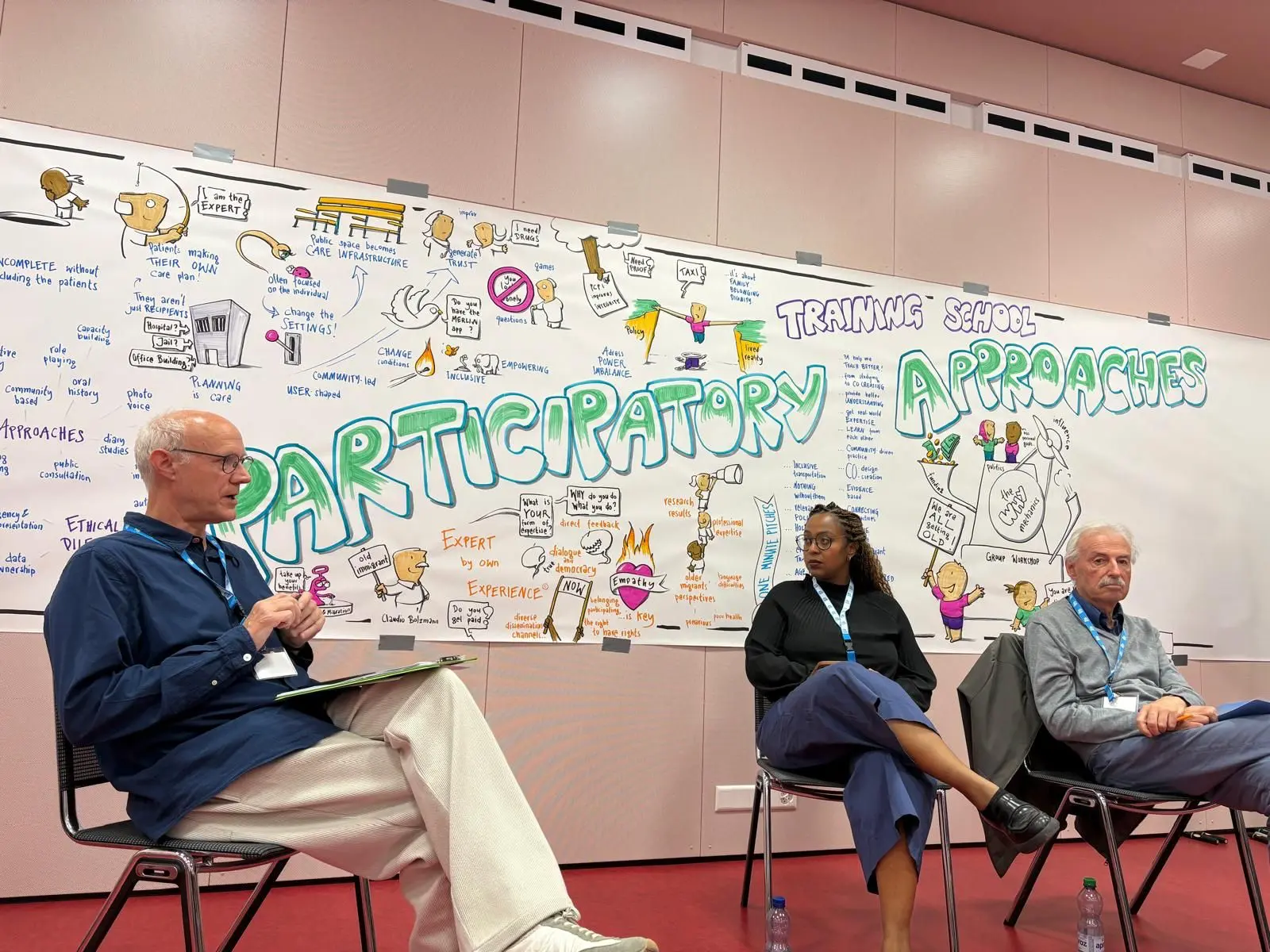
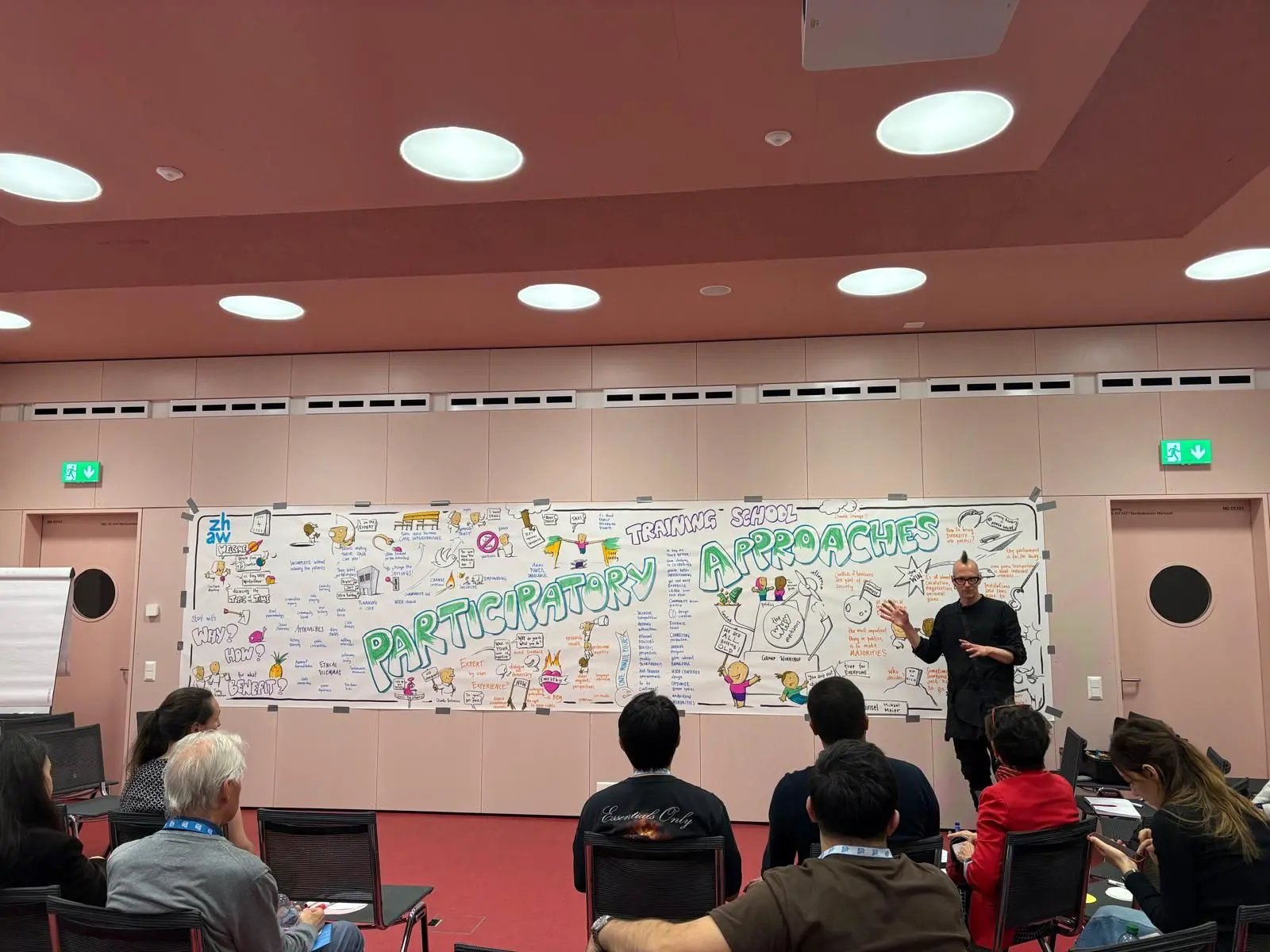
The first day explored why participatory approaches matter in research and practice. Sessions introduced key concepts, critical reflections, and diverse perspectives on participatory work, including discussions on lived experience, inclusion, and political engagement.
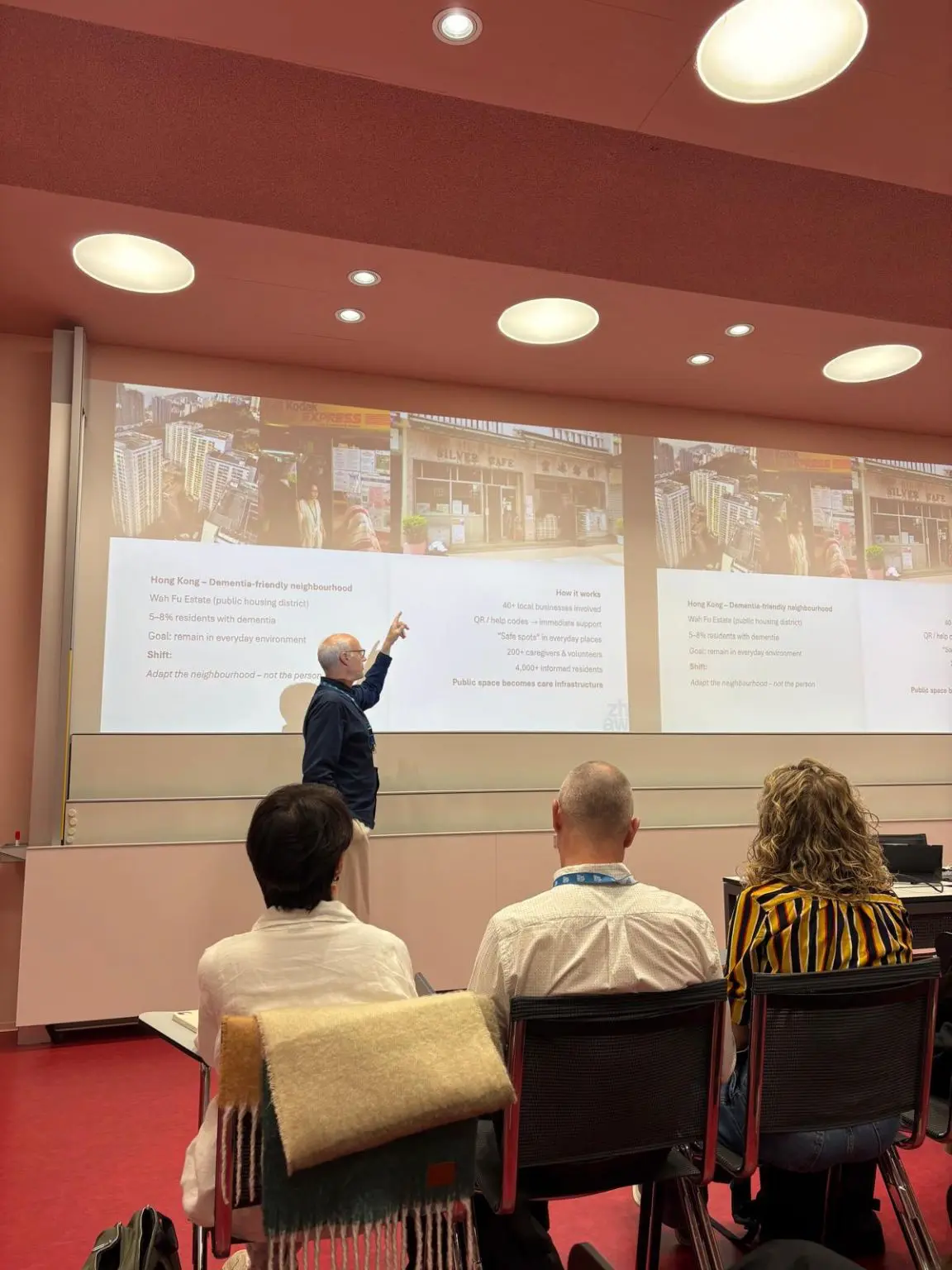
The second day focused on how participatory research is conducted in practice. Participants engaged with examples of participatory research in different contexts and took part in discussions on barriers, facilitators, ethics, and co-creation processes within participatory approaches.
On the third day, participants explored what comes after participatory approaches through field visits and interdisciplinary exchange sessions. Participants visited local initiatives in Winterthur focusing on disability rights, accessibility, inclusive governance, and intergenerational community living, providing valuable real-life examples of participation in practice.
The training school also highlighted the importance of creative and collaborative dissemination practices, including the visual documentation of discussions and reflections throughout the programme.
We would like to sincerely thank all organisers, speakers, facilitators, and participants for contributing to such an engaging, reflective, and collaborative atmosphere throughout the training school.
PAAR-Net is pleased to have contributed to this inspiring interdisciplinary initiative and looks forward to continuing discussions and collaborations around participatory approaches with older adults and diverse communities.