Cost Action 22167
Testimonials
GP3 Testimonials
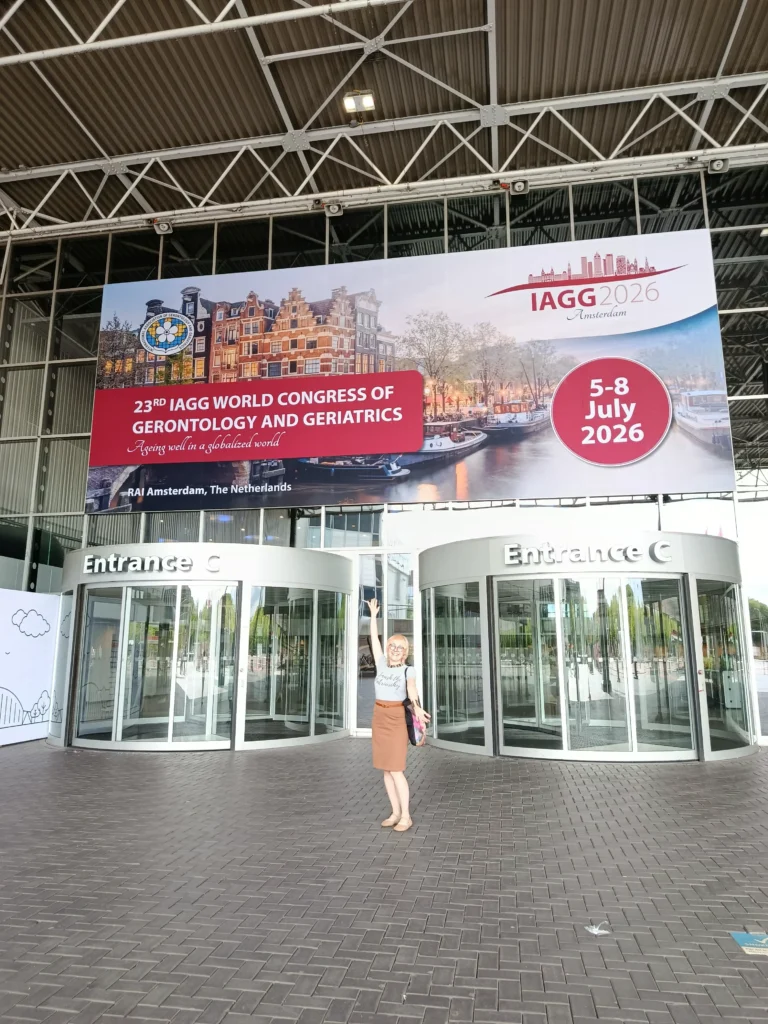
As Chair of COST Action CA22167 (PAAR-Net), I used a Dissemination Conference Grant to bring the Action’s work to the 23rd IAGG World Congress of Gerontology and Geriatrics in Amsterdam – the largest international gathering in our field. The grant did exactly what it is designed to do: it placed participatory approaches with older adults in front of the widest possible audience of researchers, practitioners and policymakers.
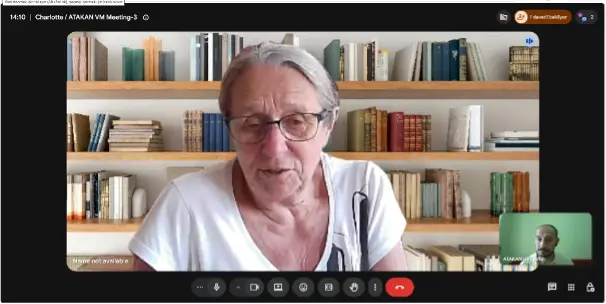
The PAAR-Net Virtual Mobility Grant supported a ten-working-day online collaboration (8–19 August 2026) entitled “Aging on the Move: Circular Mobility as a Livelihood Strategy Among Turkish-Origin Older Migrants in Germany”. The activity was carried out together with Ms Charlotte Gruber, a retired, non-academic expert-by-experience based in Germany/Austria, who took part as a genuine co-designer rather than a respondent. Over three synchronous videoconference meetings bridged by independent desk work, we jointly reframed the research problem – from “return migration” as a one-way decision towards circular, back-and-forth mobility as an active livelihood strategy in later life – and co-produced a field-ready participatory research proposal, an eleven-section structured survey with a semi-structured interview guide, an ethics, access and recruitment plan for the German field sites, and a funding-fit note mapping the study to a suitable external call.
As a grantee of a Short-Term Scientific Mission (STSM) within COST Action CA22167 (PAAR-net), I conducted fieldwork at DAKME Alevitisches Kulturzentrum e.V. in Dortmund, Germany, between 23 March and 5 April 2026. The STSM focused on older Alevi migrants’ participation in community life and their role in community co-production processes. Drawing on a combination of participant observation and participatory discussion groups, I examined how older adults contribute to collective life, cultural continuity, and social solidarity within this minority community organisation.
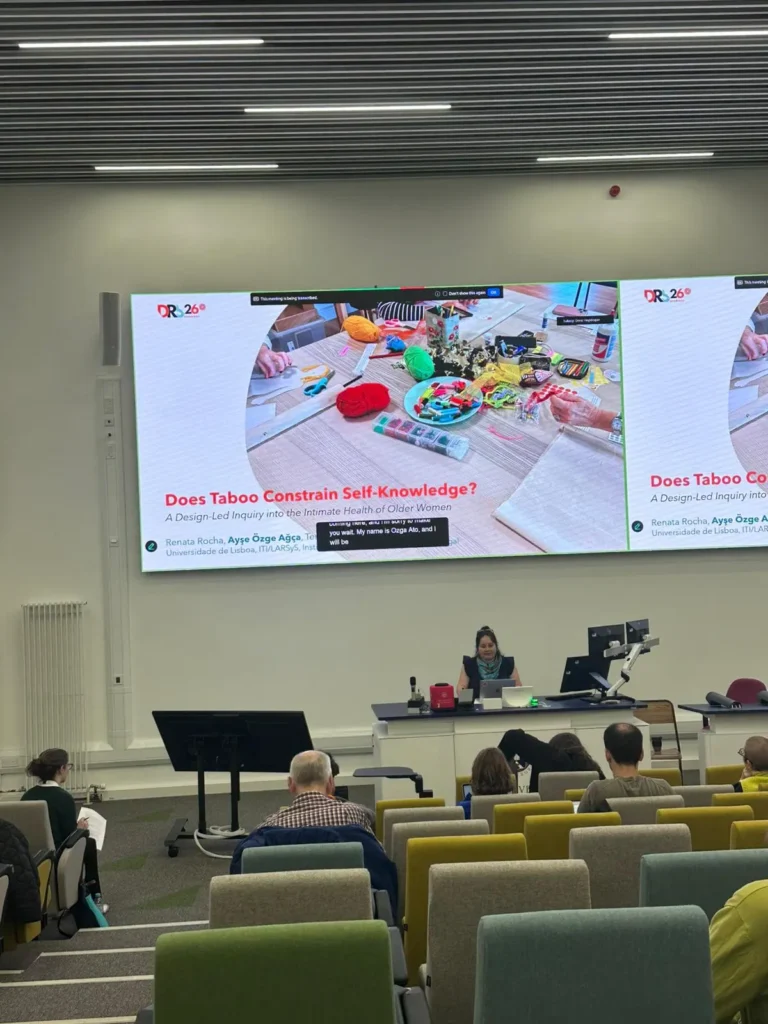
At DRS2026 in Edinburgh (8-12 June 2026), I presented our co-authored paper “Does taboo constrain self-knowledge?: A design-led inquiry into the intimate health of older women.” Written with Renata Rocha and Teresa Almeida, the paper reports on three participatory design workshops with ten women aged 65 and over in Portugal. Through body mapping, lifelines, craft materials, and collective reflection, we explore how taboos surrounding intimate health influence self-knowledge among adults aged 65 and older, with a focus on women n. Our findings show how creative and visual methods can make difficult experiences easier to express and create safe conditions for dialogue and lifelong learning around intimate health.
I also served as the corresponding chair for track 7.1, Designing Preventive Health Technologies and Practices, on behalf of Teresa Almeida, Armağan Karahanoğlu, and Anna Vallgårda, where I met with new people to discuss our current work and future possibilities.
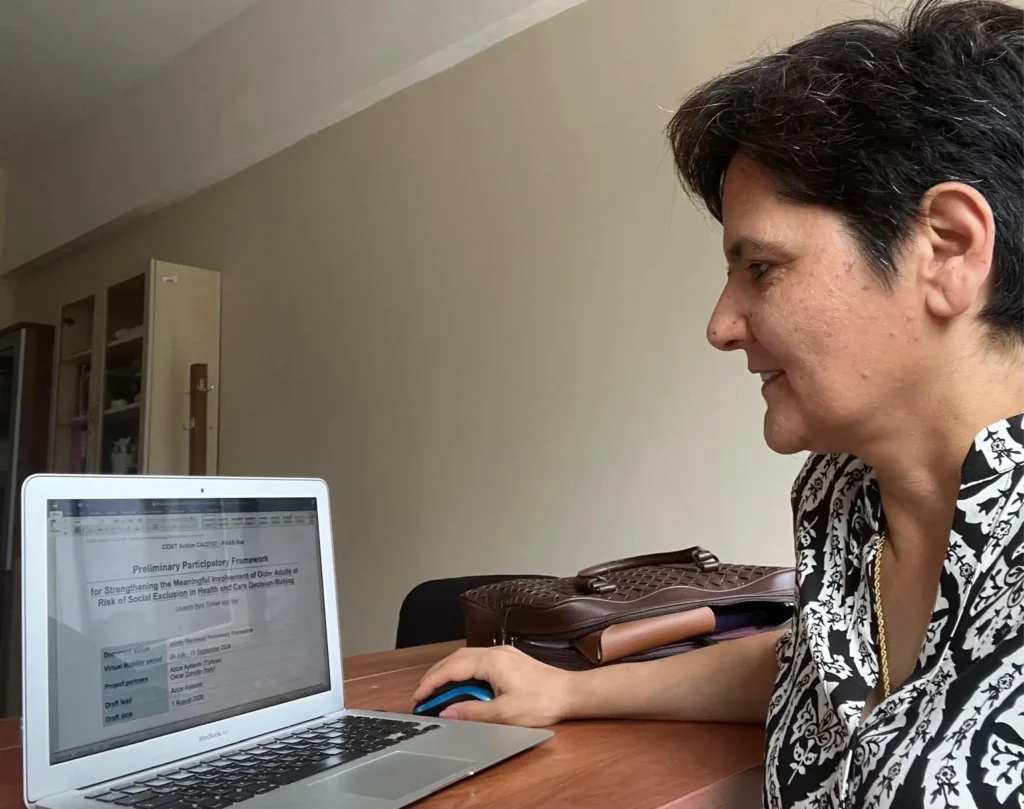
Within the PAAR-Net Virtual Mobility Grant, I worked with Oscar Zanutto on the project “Towards a Participatory Framework for Older Adults at Risk of Social Exclusion in Health and Care Decision-Making: Lessons from Türkiye and Italy.” Our collaboration combined comparative evidence mapping, joint interpretation and framework development, resulting in a Türkiye–Italy comparative report, a policy brief, dissemination materials, a preliminary participatory framework and a scientific manuscript.
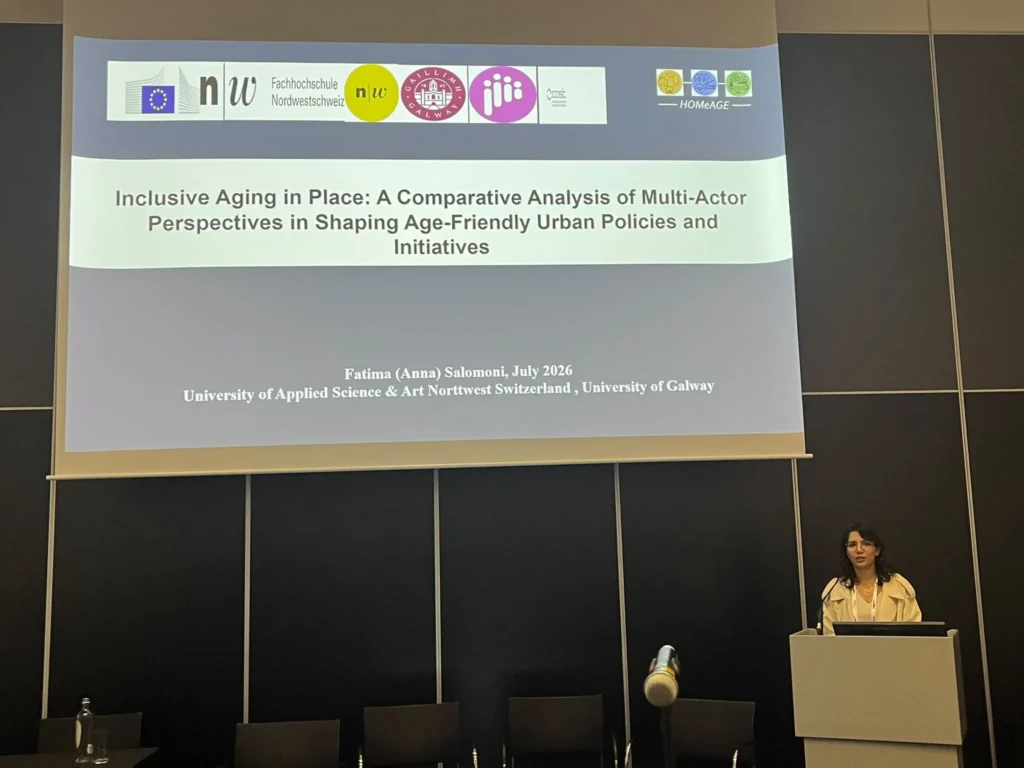
At the 23rd IAGG World Congress of Gerontology and Geriatrics 2026 in Amsterdam, I presented my paper, “Inclusive Aging in Place: A Comparative Analysis of Multi-Actor Perspectives in Shaping Age-Friendly Urban Policies and Initiatives,” as part of the symposium “Social Exclusion of Older People in the Constitution of Place-Based Processes: International Perspectives.”
Drawing on my doctoral research, the presentation compared age-friendly policy development in Dublin and Copenhagen and explored how different institutional and governance contexts shape opportunities for participation in age-friendly policymaking. In particular, I discussed how different policy actors influence participatory processes and how the voices of diverse and underrepresented older adults are recognised and translated into policy and practice.
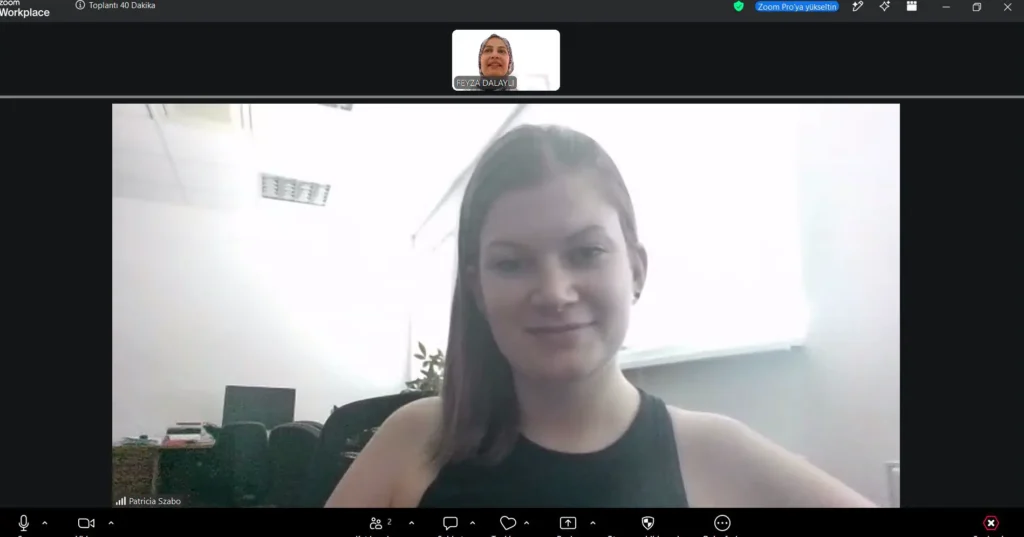
This Virtual Mobility Grant supported a fully online, cross-disciplinary collaboration between Anadolu University (Turkey) and the University of Pannonia (Hungary), in partnership with Dr. Patrícia Szabó. The collaboration comprised four interconnected activities. First, we designed and administered a needs-assessment survey to 79 older adults (aged 51–70) in Eskişehir, Turkey, examining digital self-efficacy, barriers to ICT access, learning preferences, and social connectedness. The findings showed that privacy and security concerns (87.3%), fear of making mistakes (68.4%), and lack of knowledge (67.1%) are the main barriers to equitable digital access in this population, and that self-efficacy differs significantly by gender, age group, and education level. Second, based directly on these findings, three face-to-face educational modules were co-designed with Dr. Szabó: Module 1 – Digital Security and Privacy; Module 2 – e-Government and Health Appointments; Module 3 – Accessing Reliable Information Online. Third, the modules were piloted with 8 participants in Eskişehir, with post-session evaluation collected immediately after each session. The overall satisfaction mean was 4.91 out of 5; three items received perfect scores, and all eight participants reported reduced technology-related anxiety and expressed a wish to continue the program. Fourth, a joint peer-reviewed manuscript reporting the full study is currently in preparation, with initial submission planned to Universal Access in the Information Society (Springer, SCIE-indexed).
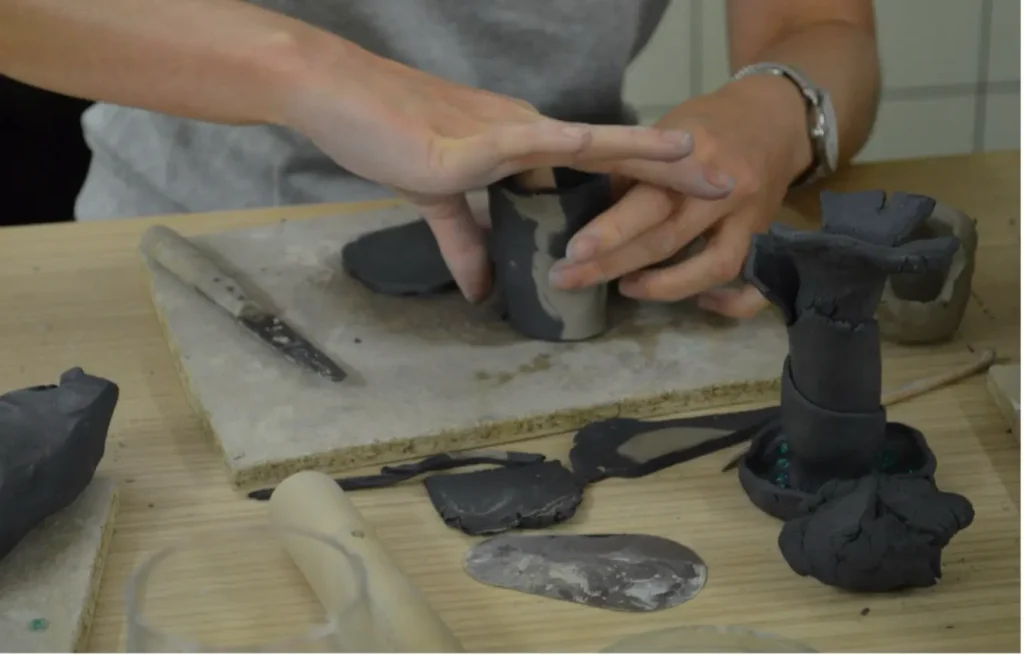
During the Virtual Mobility I piloted the project “Pottery as an arts-based research method in later life” together with Anna Wanka (Goethe University Frankfurt am Main, Germany) and Anna Urbaniak (Jagiellonian University, Kraków, Poland). The aim was to develop pottery as a haptic, participatory method for ageing studies and participatory research. The pilot comprised (1) a review of literature on arts-based and participatory research in later life; (2) a one-day co-creative pottery workshop with six participants aged 65 and over, of different genders and backgrounds, and (3) data analysis across three analytical perspectives: the process of making, the talk around the object, and the object as data (“potter voice”).
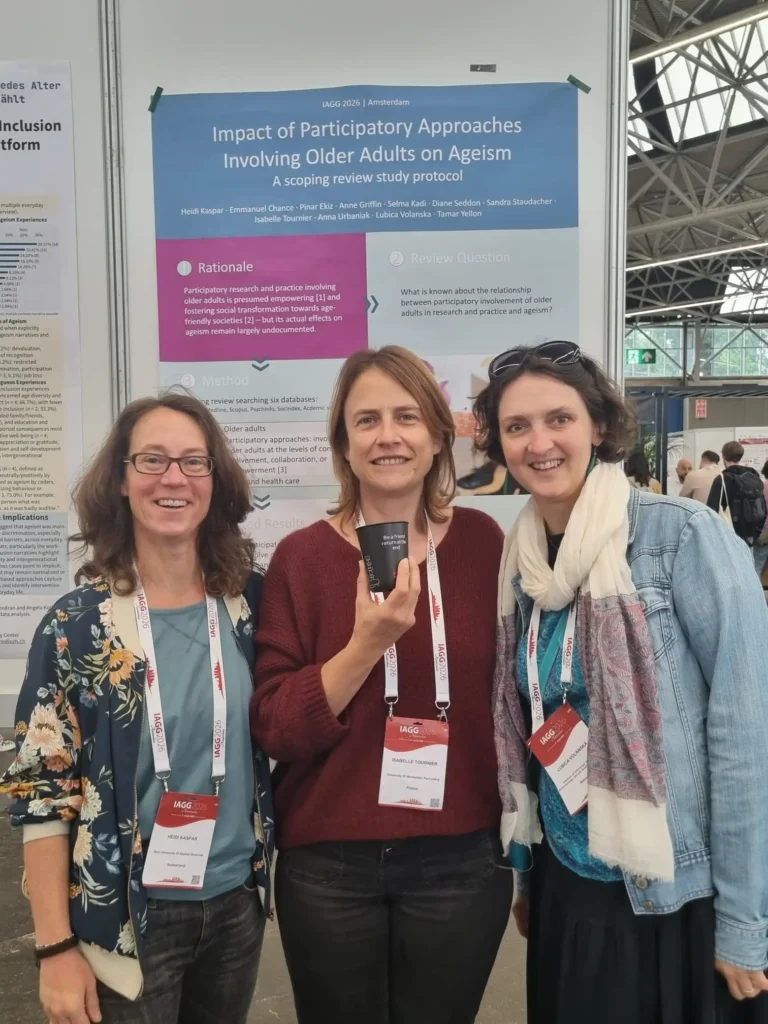
IAGG is an international conference uniting the scientific community of gerontology, geriatrics and aging studies around the globe. IAGG is an umbrella organization bringing together national gerontological and geriatric associations from five regions around the world: Europe, Africa, Asia/Oceania, North and South America & Caribbean. The 23rd World Congress on Gerontology and Geriatrics in Amsterdam in July 2026 welcomed over 3,500 participants across a broad range of disciplines in social, natural and medical sciences and the humanities from more than 80 countries and hence provided a great opportunity to present work conducted within PAAR-net to the scientific community such as the study protocol of a scoping review on the impacts of participatory approaches with older adults on agism, a work conducted within WG1 presented as a poster at the conference.
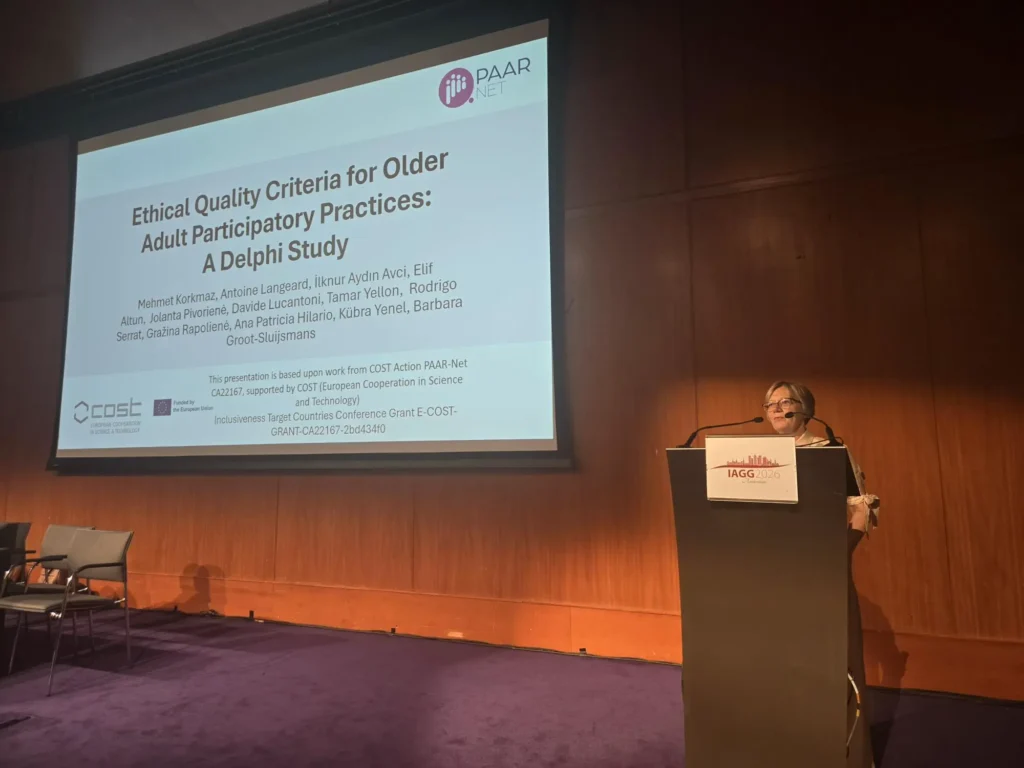
At the 23rd IAGG World Congress of Gerontology and Geriatrics, Ageing Well in a Globalised World, held in Amsterdam, I presented the contribution “Ethical Quality Criteria for Older Adult Participatory in Practice: A Delphi Study”. The presentation was part of the PAAR-net organised session “Ethics and Methodologies of Participatory Research with Older Adults” and represented a collective output of Working Group 4. The presentation focused on the ongoing work on ethical and quality criteria for participatory approaches with older adults and provided an opportunity to share this work with an international audience of researchers, practitioners and policymakers.
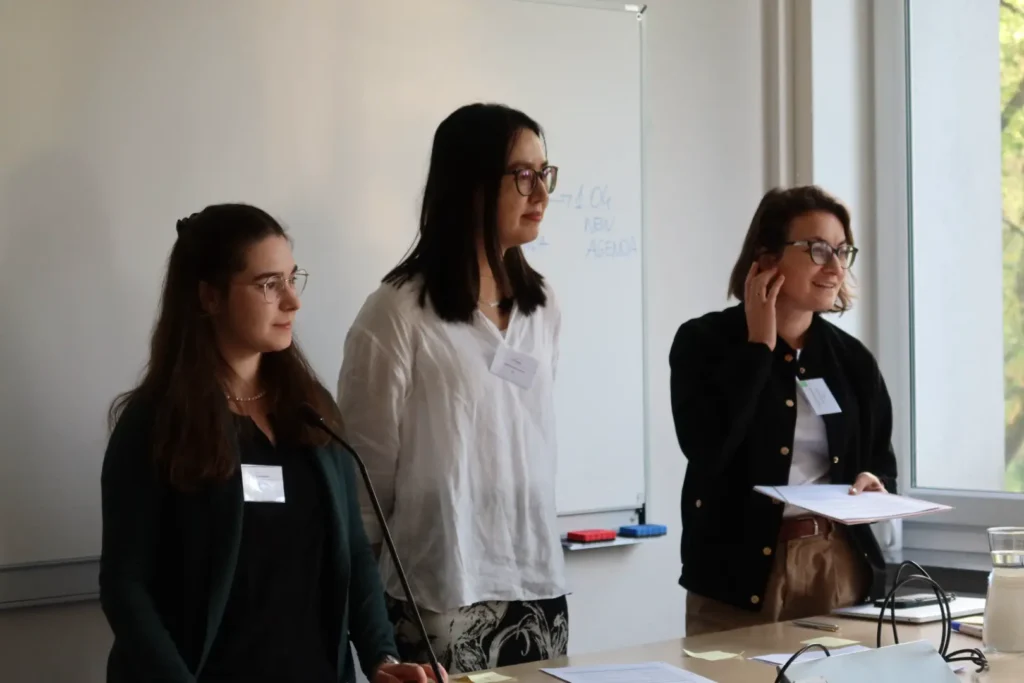
The Virtual Mobility provided an opportunity to collaborate with researchers from Jagiellonian University in Krakow and to jointly reflect on findings and methodological approaches within the InterCare project. Throughout the mobility, we exchanged perspectives on participatory research, discussed the ongoing data collection, and worked collaboratively on a policy brief translating key research findings into implications for policy and practice. The mobility also supported the preparation for the Eurocarers conference in Krakow, where we presented the InterCare project and connected with other researchers, care organisations, practitioners, and other stakeholders from Europe and beyond. In addition, the virtual exchange created valuable opportunities for researchers with interdisciplinary backgrounds and at different career stages to learn from one another and to develop further methodological and epistemological perspectives.
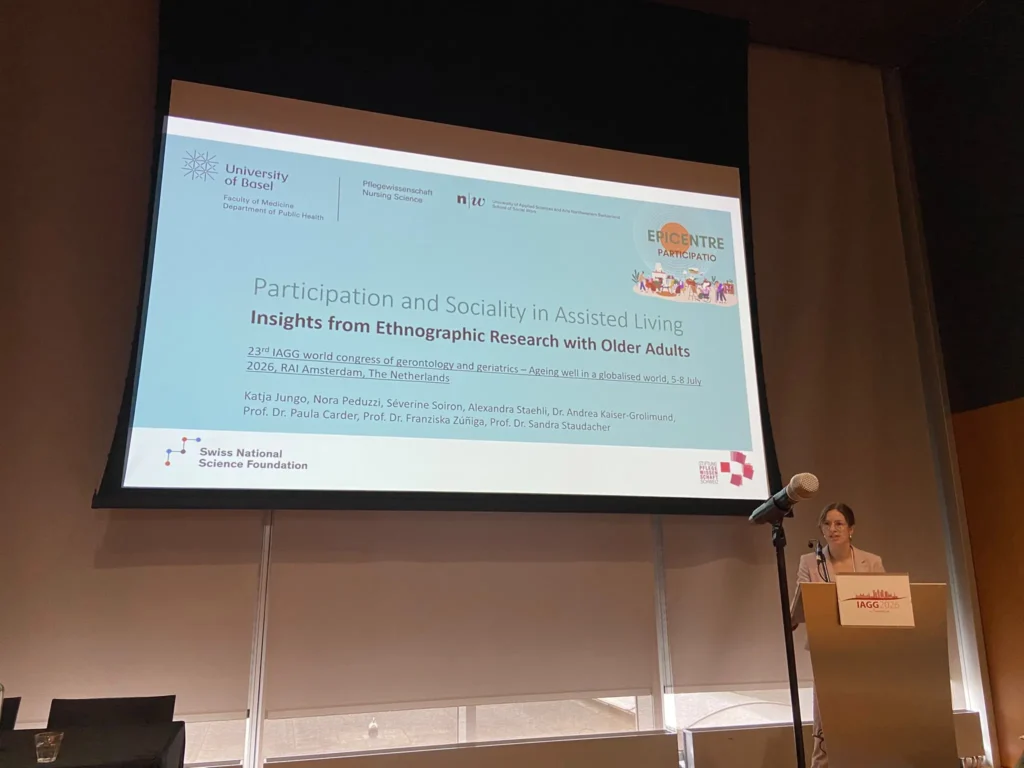
This grant allowed me to travel to the IAGG World Congress of Gerontology and Geriatrics in Amsterdam (The Netherlands), where I presented insights into my ethnographic research on the participation of older adults in Assisted Living in Switzerland. Participating in the conference also gave me the opportunity to engage in in-depth discussions with PAAR-Net members and network with other researchers in the field of long-term care.
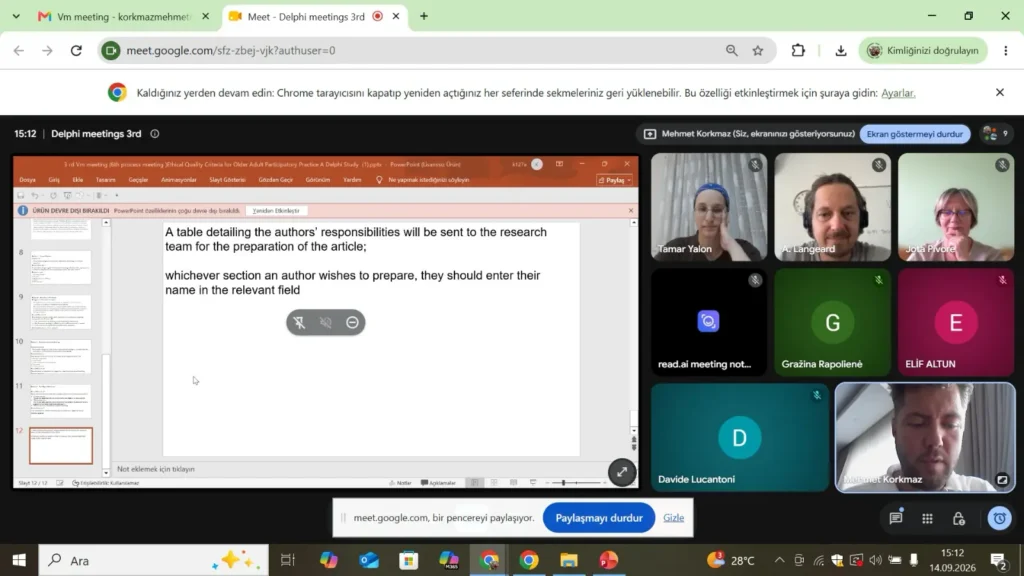
The Virtual Mobility Grant supported a series of online collaborative meetings held in September 2026. The activities focused on reviewing the Delphi study and data collection process, analysing the Round 1 results, assessing consensus across the 38 proposed ethical quality criteria, and reviewing qualitative feedback from the expert panel. The final meeting focused on planning the next Delphi round and developing the resulting scientific manuscript, including discussion of contributions, authorship responsibilities, and manuscript preparation and submission.
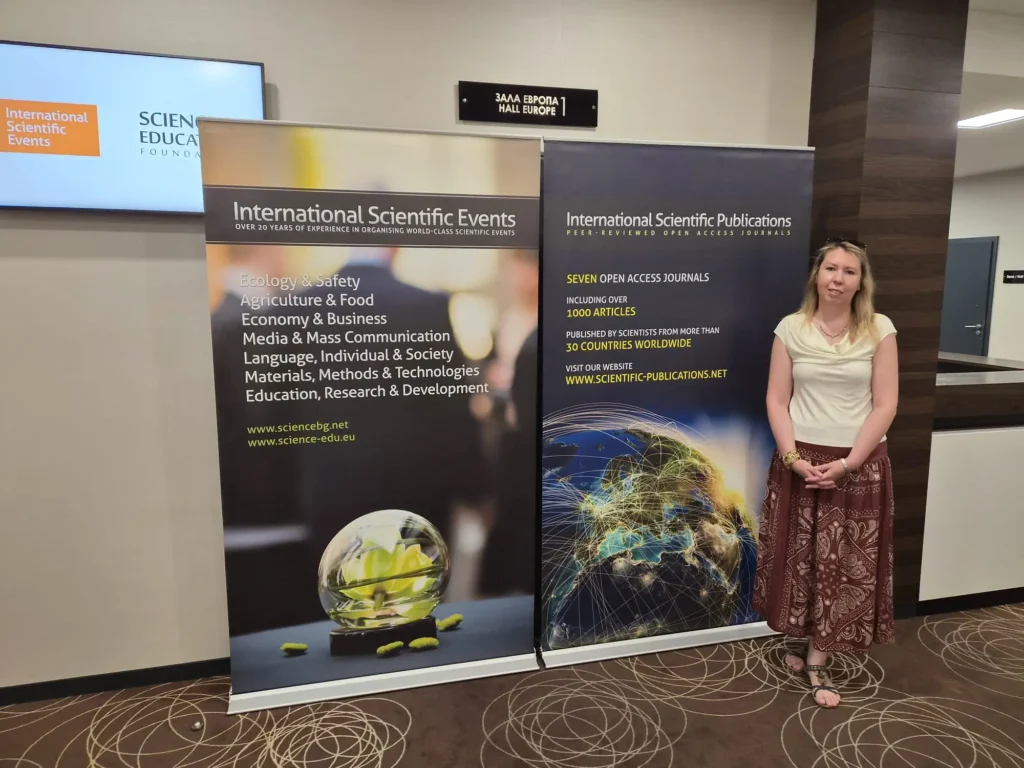
With the support of the PAAR-NET grant, I participated in the Economy & Business 25th International Conference, held in Burgas, Bulgaria, from 16 to 19 August 2026. During the conference, I presented my research entitled “Co-producing Age-Friendly Forest Villages: Participatory Rural Development and Community-Based Local Economy in Kavakbıçkı Village, Düzce, Türkiye.” The presentation focused on participatory approaches to rural development and explored how local communities can actively contribute to shaping age-friendly and sustainable forest villages. The study examined the potential of community participation, local knowledge, and community-based economic initiatives to support the social, environmental, and economic resilience of rural settlements. Particular attention was given to the role of older residents and intergenerational perspectives in identifying local needs, opportunities, and strategies for the future development of the village.
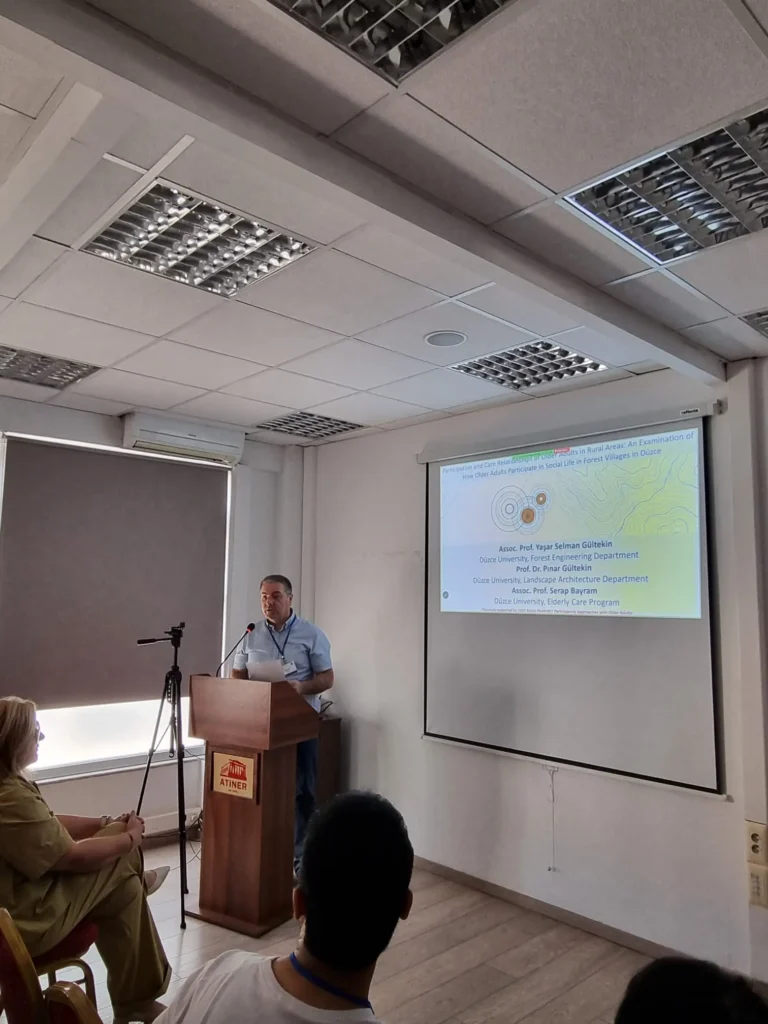
With the support of the PAAR-NET Inclusiveness Target Countries (ITC) Conference Grant, I participated in the Annual International Symposium on Gerontology, organised by the Athens Institute in Athens, Greece. I presented the paper entitled “Participation and Care Relationships of Older Adults in Rural Areas: An Examination of How Older Adults Participate in Social Life in Forest Villages in Düzce,” co-authored with Pınar Gültekin and Serap Bayram.
The presentation examined rural ageing through the experiences of older adults living in forest villages in Düzce, Türkiye, with particular attention to social participation, care relationships, productive activities, neighbourly relations, informal care networks, and place-based factors. Presenting this research in an international gerontology forum provided an opportunity to introduce the relatively under-researched context of rural and forest-village ageing in Türkiye to an international audience. The discussions also highlighted the implications of migration and depopulation for rural care systems, community belonging, and social sustainability.
GP2 Testimonials

Thanks to the Virtual Mobility (VM) grant, I had the opportunity to collaborate with Barbara Groot-Sluijsmans, Thibauld Moulaert, Carlo Fabian, Anna Urbaniak, Heidi Kaspar, Katja Jungo and Sandra Staudacher in a series of regular online meetings. Our discussions focused on the theoretical dimension of participatory research with older adults and led to the development of the “Reflexive Rubik’s Cube” – a conceptual tool designed to critically think about participatory research practices. The final outcome of this collaboration will be an article that introduces the “Reflexive Rubik’s Cube” to a wider audience.



GP1 Testimonials

My visit to STSM was hosted by Professor Florez-Revuelta at the Permanent University of Alicante (Spain), where we explored the challenges encountered by older adults in online learning environments and investigated potential solutions supported by artificial intelligence. A meeting was also convened with the dean of the Permanent University of Alicante, during which we obtained information regarding the operational processes of universities designed for older adults.

One of the aims of PAAR-Net is to actively include stakeholders in the work and deliverables of the Action. We started to identify relevant stakeholders and by involving them in Knowledge Exchange Events. There was a further need to systemise the opinions of stakeholders, such as policymakers, ICT designers, care providers and educators on their involvement in PAAR and PAAR-Net and what they would need from the scientific community to apply participatory approaches successfully.


The aim of my STSM experience “Learning by Doing a Scoping Review on Participatory Interventions for Promoting Healthy Cognitive Aging” was both to progress from theoretical methodological guidance to hands-on experience in performing scoping reviews, and to deepen knowledge with respect to the meaningful involvement of older adults in participatory research on healthy cognitive ageing. This, by also holding meetings with other researchers, delivering presentations and disseminating information about the PAAR-net activities.

During the STSM the aim was to fulfil the aims and objectives of the research, to exchange knowledge with peer colleagues in the research domain and to discuss ideas for future projects. All research activities were carried out according to the plan and findings are intended to be published in a journal with impact factor.


Thanks to the excellent support of my host, Eva Grigoriadou (URBANA, Athens), the STSM was successfully carried out as planned. URBANA’s experience in community-based initiatives—such as the project Athens: A City for All Ages, implemented in the diverse neighbourhood of Kypseli—provided valuable insight into participatory work with older adults.
Read the testimonial

As part of an event organised during the STSM by our host, Professor Eleanor Bantry White, we had many interesting conversations with other researchers in Ireland, older collaborators, and community organisations. Inspired by these talks, we started a literature review that examines the discourses of technologies and participatory approaches in later life.

At the Socio-Gerontechnology Network (SGN) 2024 Annual Meeting in Vienna, I presented my poster titled “Tech Mentoring to an Older Adult in an Extraordinary Condition: A Participatory Research Approach.” This study highlights the transformative potential of tailored technology mentoring in extraordinary circumstances, such as post-disaster recovery. The event provided me with a fantastic opportunity to meet both early-career and senior researchers in socio-gerontechnology. The conference not only enhanced my professional visibility but also deepened my resolve to continue contributing to PAAR teams and collaborative efforts in this impactful research domain.

During my STSM experience, “Building Intergenerational Networks within Civil Society,” I aimed to foster collaboration between practitioners and researchers. Engaging with social workers and organizations, I explored the ageing experiences of immigrant communities and the varying needs of different generations in the context of digitalization and multicultural environments. Moving forward, I plan to conduct ethnographic research on first-generation Turkish immigrants in Frankfurt or continue exploring womanhood and girlhood experiences through participatory approaches, inspired by initial interviews from the STSM. Read the testimonial

The grant facilitated an interdisciplinary and international collaboration with researchers Marion met through her involvement in Working Group 2 “Community and Place” of the PAAR-net COST Action. Drawing on their respective research, the team developed an innovative method to engage attendees in meaningful discussions during the workshop. The workshop has been accepted at the prestigious European Conference for Social Work Research (ECSWR), reflecting PAAR-net’s commitment to advancing knowledge in participatory approaches. Read the testimonial

This VMG facilitated the work on a scoping review of reviews on Participatory approaches with older adults in technology and innovation research. The VMG allowed me to take more initiative in the collaboration and motivated me to continue working on this project. In Doing so, together with many other members of our working group, we were able to advance this timely scoping review, and we are currently in advanced phases of analysing selected papers and hope to publish this soon. I would encourage others as well to take advantage of this fantastic grant opportunity to motivate and facilitate such research exchanges. Read the testimonial

Receiving the PAAR-Net Virtual Mobility (VM) enabled me to develop a methodological companion to support practitioners in adopting participatory methods when working with socially excluded older adults. This guide, titled “Empowering Voices and Experiences of Socially Excluded Older Adults – A Participatory Research Companion”, shall equip professionals with practical tools, strategies, and insights aimed at fostering inclusive environments and enabling active participation for older marginalized individuals, such as those experiencing homelessness, isolation, or ageism. The companion will be made available at: https://www.cost.eu/about/strategy/open-access/
Read the testimonial