📍Frankfurt am Main, Germany 📅 4–6 September 2024 🏛️ Goethe University
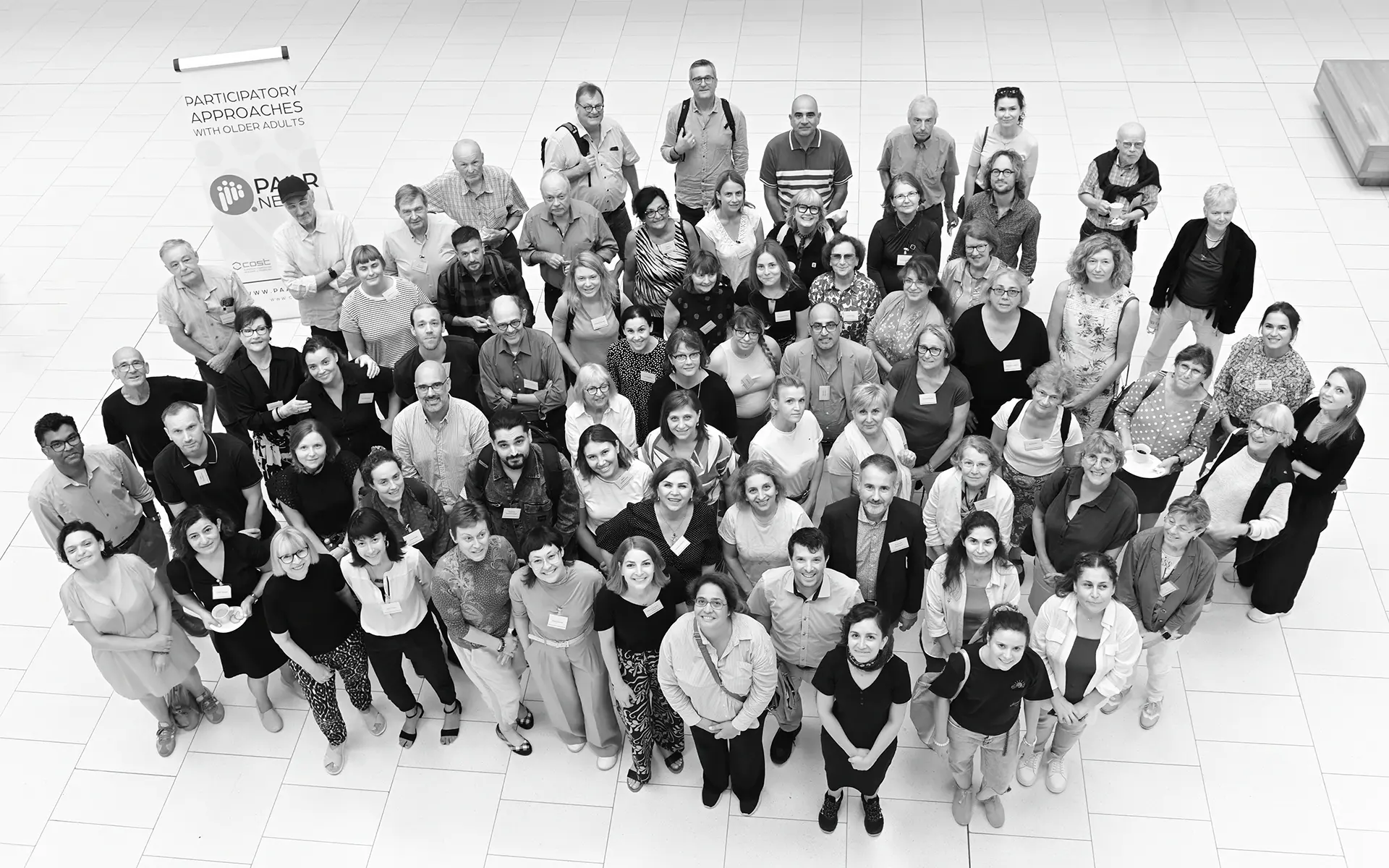
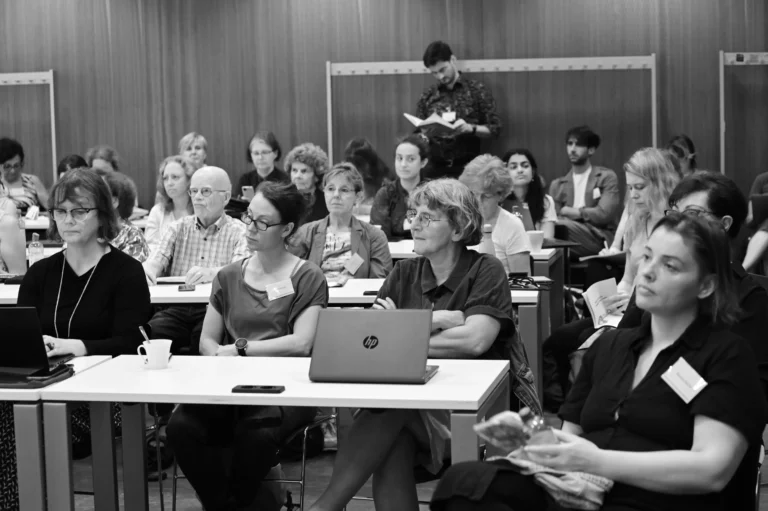
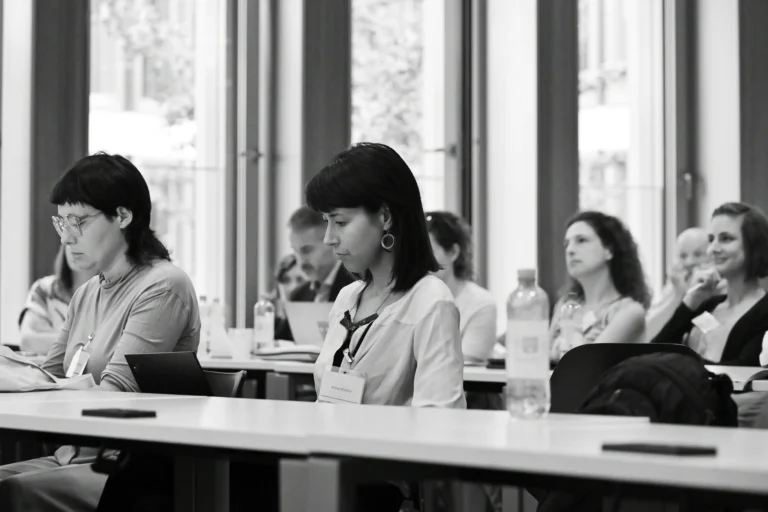
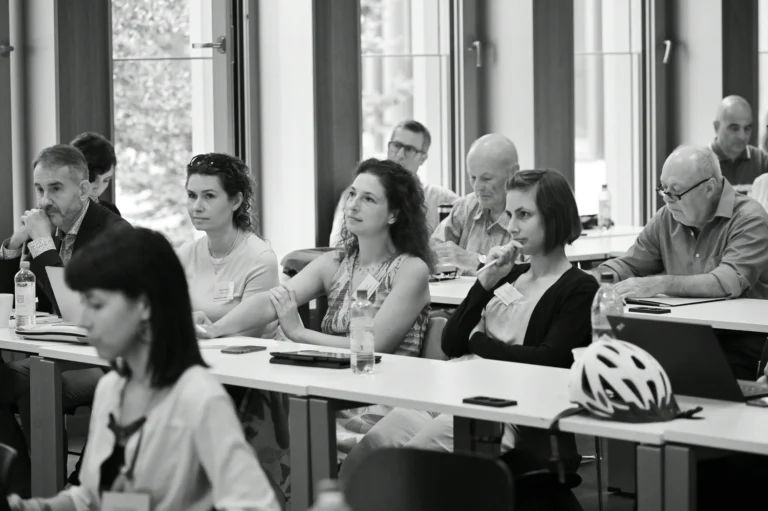
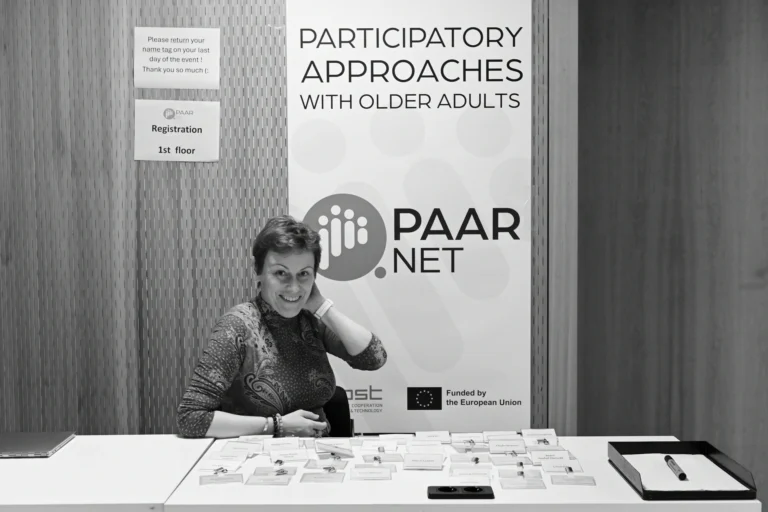
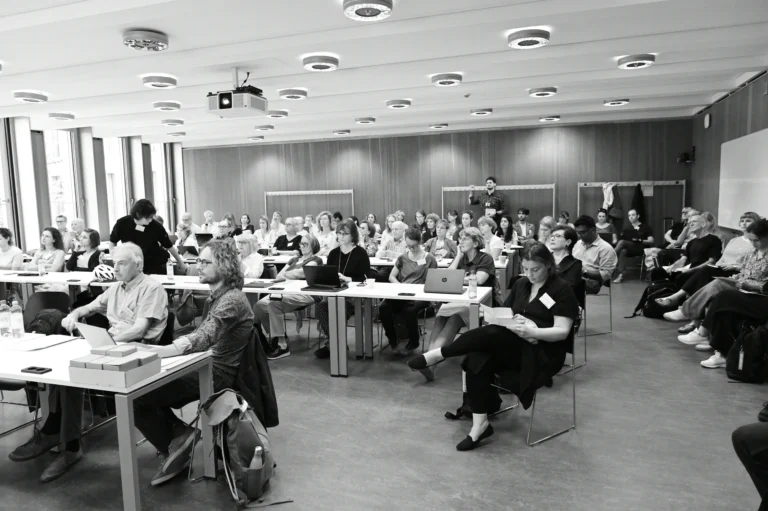
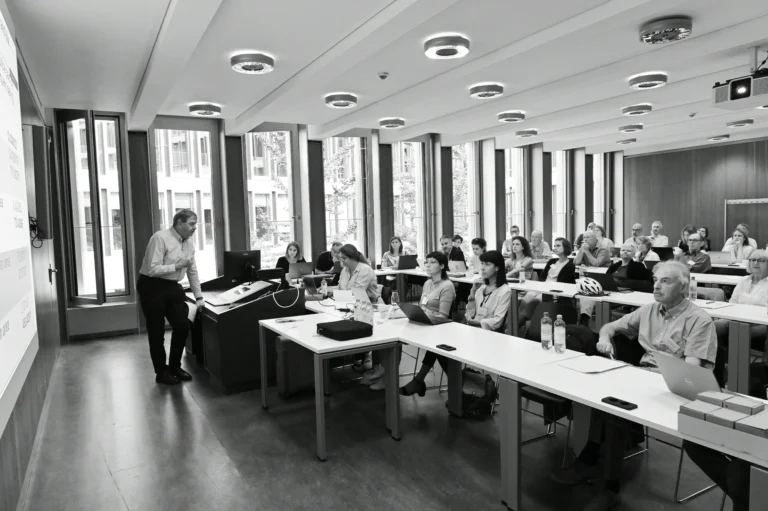
The first PAAR-Net Training School on Knowledge Synthesis and the International Knowledge Exchange Event successfully took place at Goethe University in Frankfurt am Main, bringing together researchers, policymakers, practitioners, and older co-creators from different countries and disciplinary backgrounds.
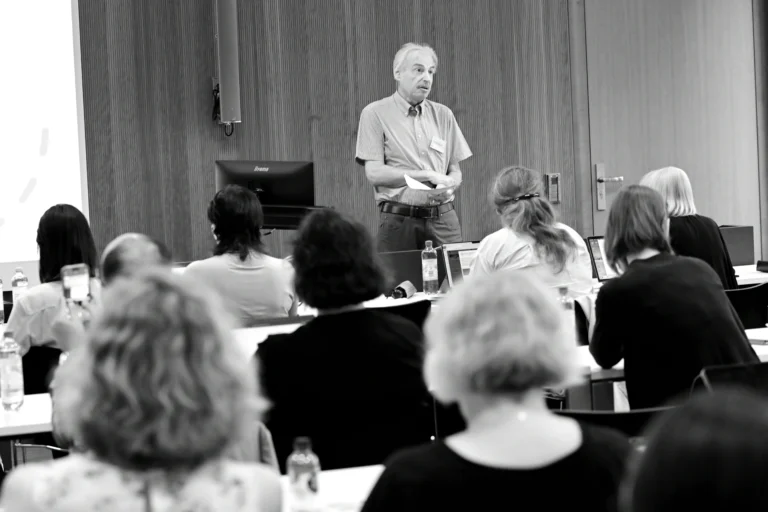
The programme focused on participatory approaches with older adults and explored key themes including cultural disadvantage, age-friendly cities and communities, and social inclusion. Through presentations, discussions, and interdisciplinary exchange, participants critically reflected on how participatory research can contribute to more inclusive research, policy, and practice.
The event highlighted the importance of lived experience, experiential knowledge, and co-creation in shaping inclusive innovation and responsive policies concerning ageing populations.
Key Highlights from the Thematic Sessions
Cultural Disadvantage
Claudio Bolzman (National Swiss Forum on Aging and Migration) and Charles Waldegrave (Family Centre, New Zealand) explored the structural and epistemic exclusion experienced by older migrants and indigenous elders. Discussions addressed concepts such as the “exhausted migrant effect” and culturally specific understandings of well-being among Māori elders, challenging dominant approaches to inclusion and ageing.
Age-Friendly Cities and Communities
Willeke van Staalduinen (AFEdemy, Netherlands) and Christa Möller-Metzger (European Green Seniors, Germany) shared examples of local-level co-creation and diagnostic approaches for developing age-friendly environments. The session also highlighted how language, framing, and communication practices shape participation and community impact.
Social Inclusion
Damien Vanneste (Catholic University of Lille) and Wouter de Tavernier (OECD) focused on inclusive urban planning and the limitations of existing policy evaluation methods. Their presentations emphasized the importance of lived experience and local community networks in developing more responsive and inclusive social policies.
Outcomes
The training school and knowledge exchange event created an important platform for interdisciplinary dialogue, international networking, and collaborative reflection among researchers, practitioners, policymakers, and older co-creators.
Discussions across the thematic sessions emphasized the importance of recognising experiential knowledge, strengthening participation, and bridging local and global perspectives in ageing research and policy development.
The event also marked an important milestone for PAAR-Net by strengthening collaborations and supporting the co-creation of knowledge with older adults across Europe and beyond.