Training School 2026: Participatory Approaches to Research, Practice and Policy
📍 Winterthur, Switzerland 📅 4–6 May 2026 🏛️ ZHAW School of Health Sciences
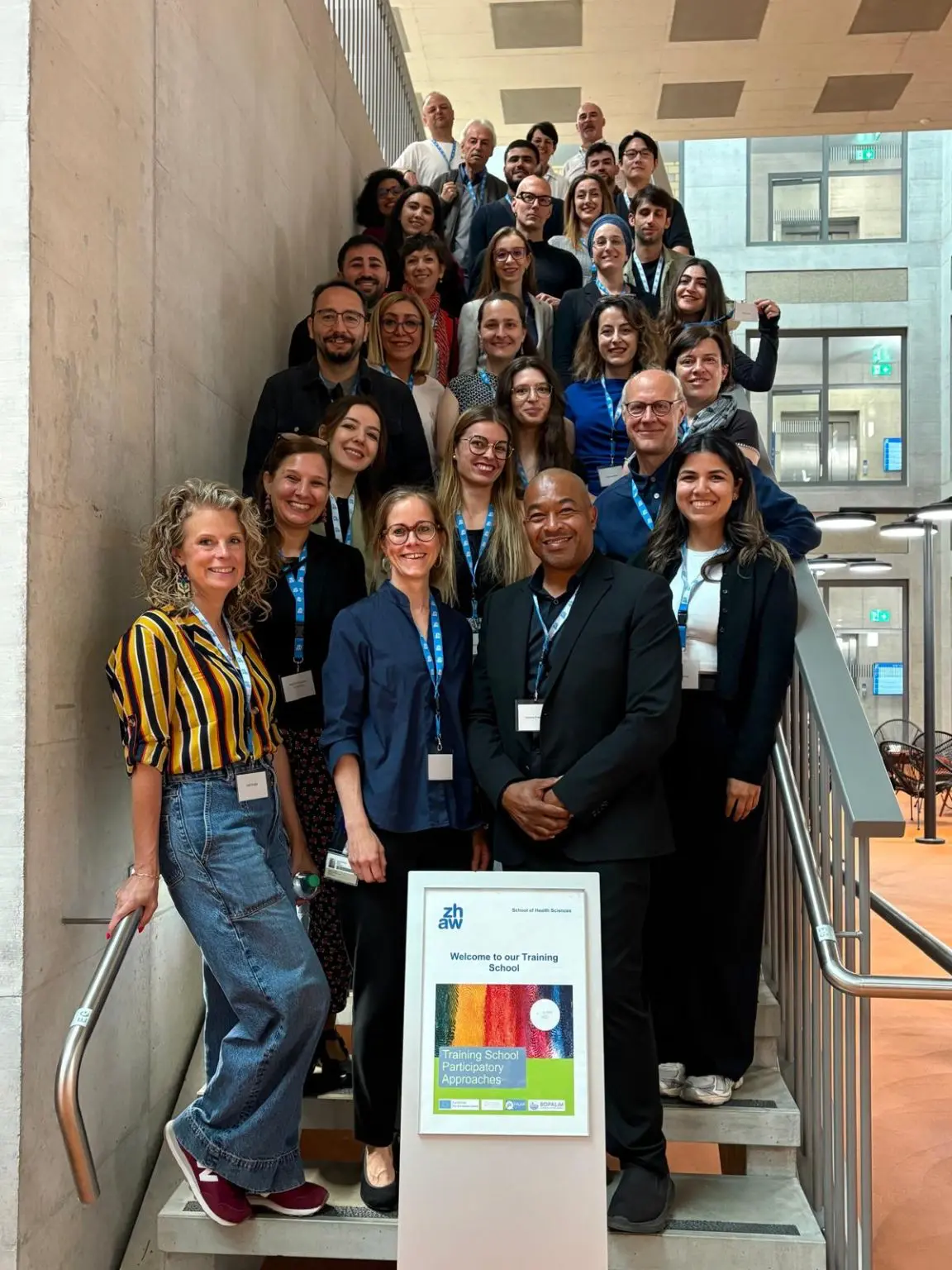
The Joint Training School “Participatory Approaches to Research, Practice and Policy”, organised by COST Action BOPALiM (CA23101) and PAAR-Net (CA22167), successfully took place at the ZHAW School of Health Sciences in Winterthur, Switzerland.
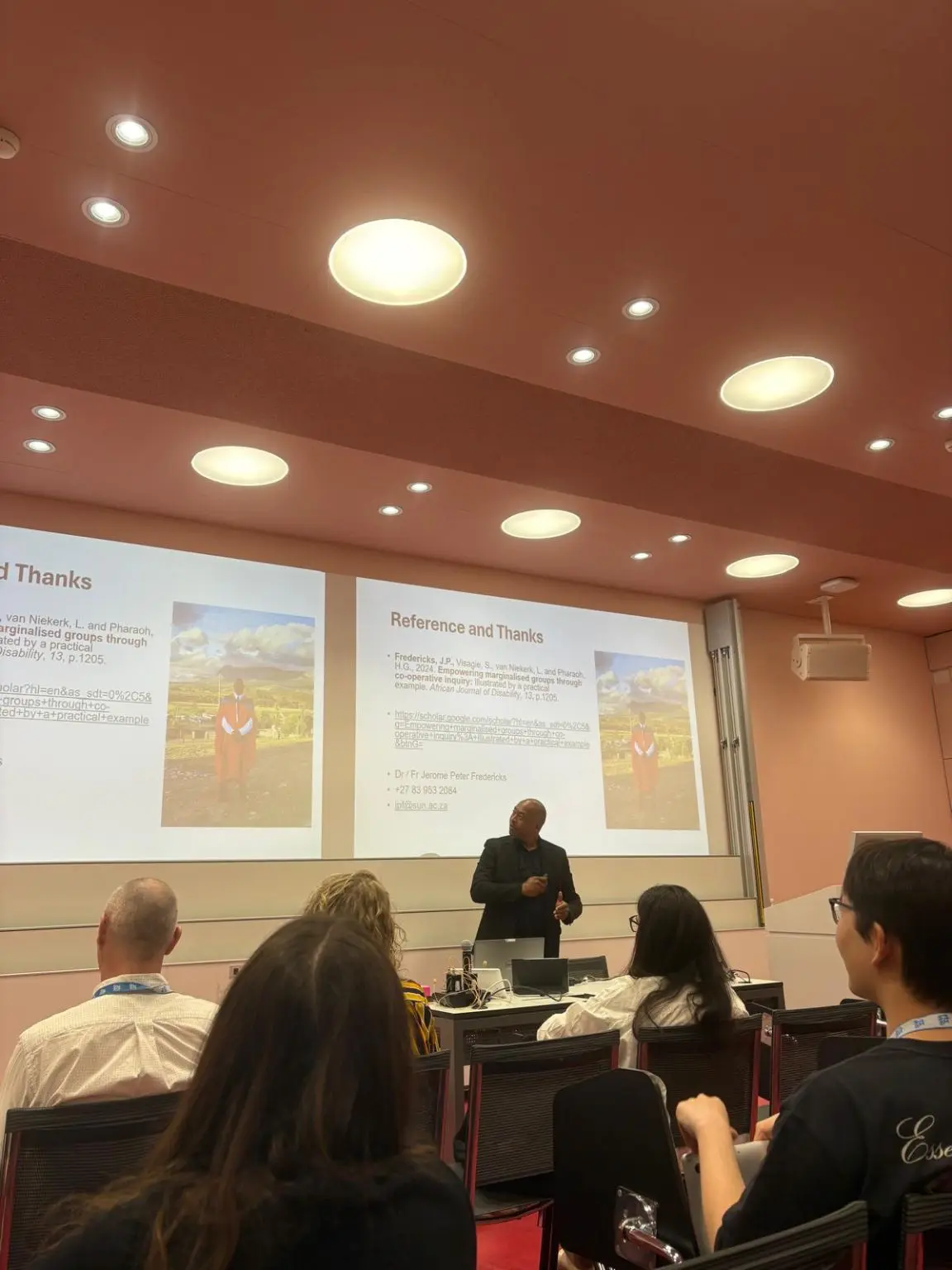
Bringing together researchers, practitioners, policymakers, and community stakeholders from different countries and disciplinary backgrounds, the programme focused on participatory approaches involving older adults and persons with disabilities. Across three intensive and collaborative days, participants explored how participatory methods can contribute to more inclusive research, policy development, practice, and community engagement.
The Training School created an interdisciplinary environment for critical reflection, co-creation, and international exchange while encouraging dialogue between academic, professional, and community perspectives.
Key Highlights from the Thematic Sessions
WHY Doing Participatory Approaches
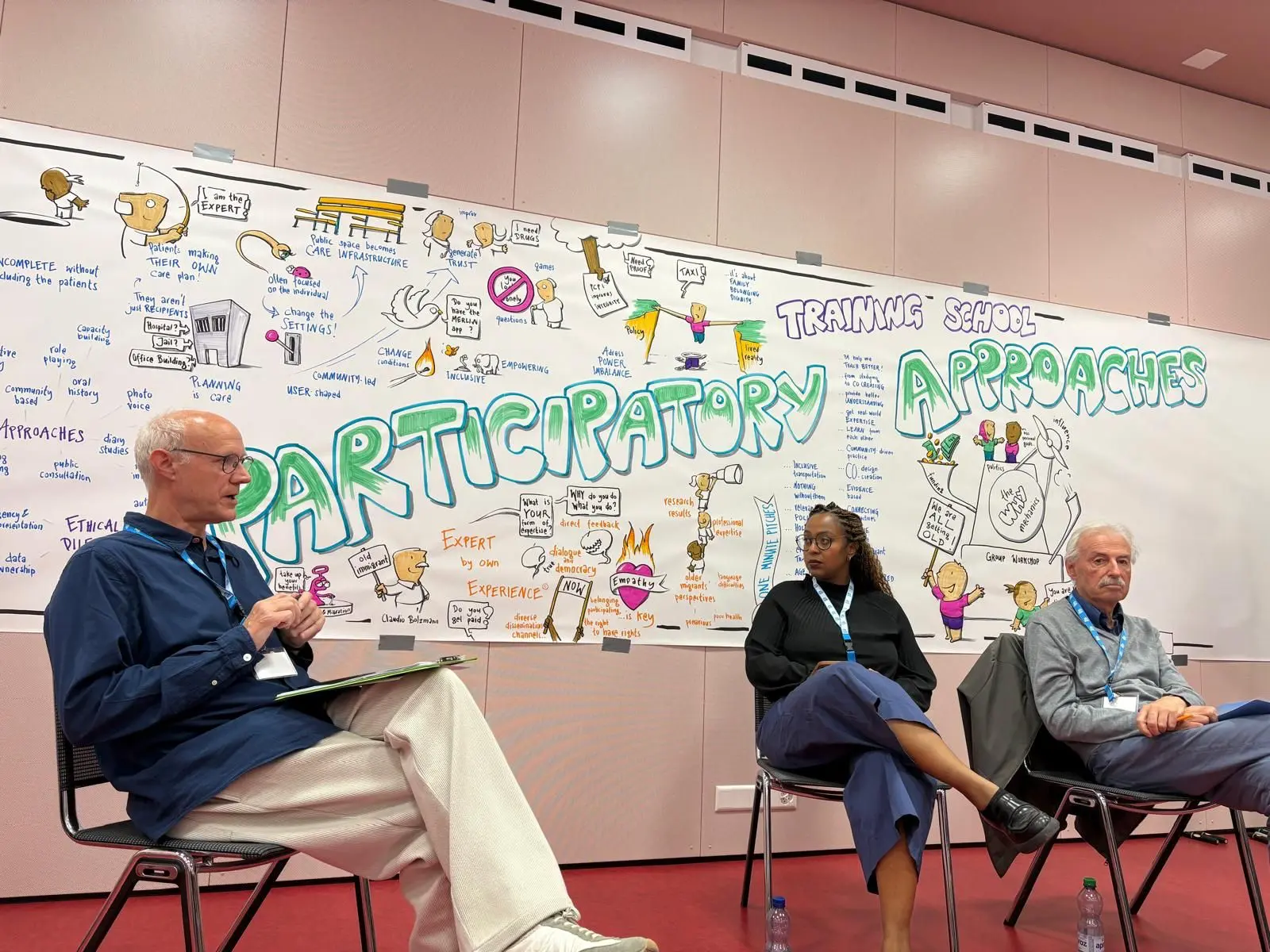
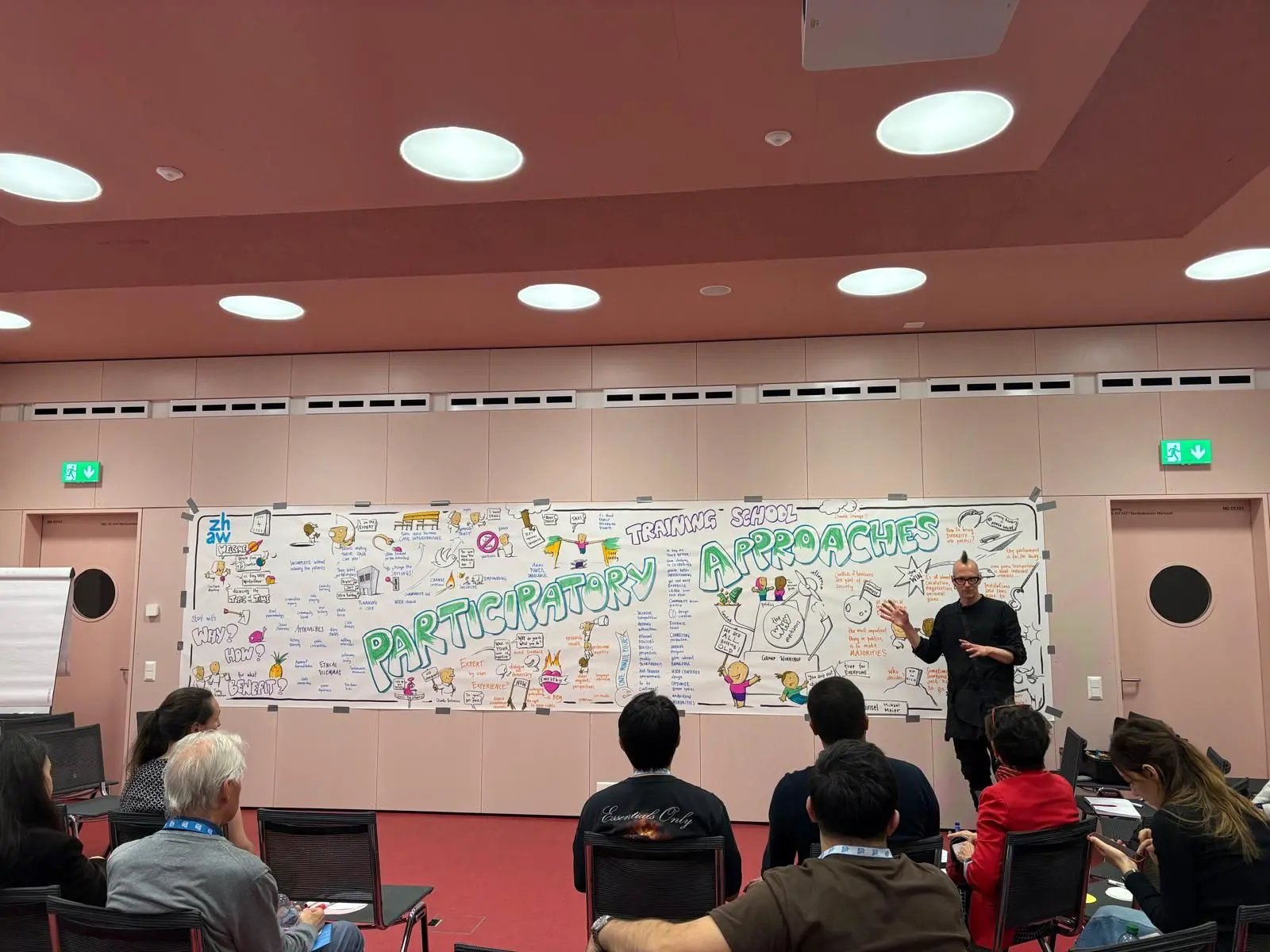
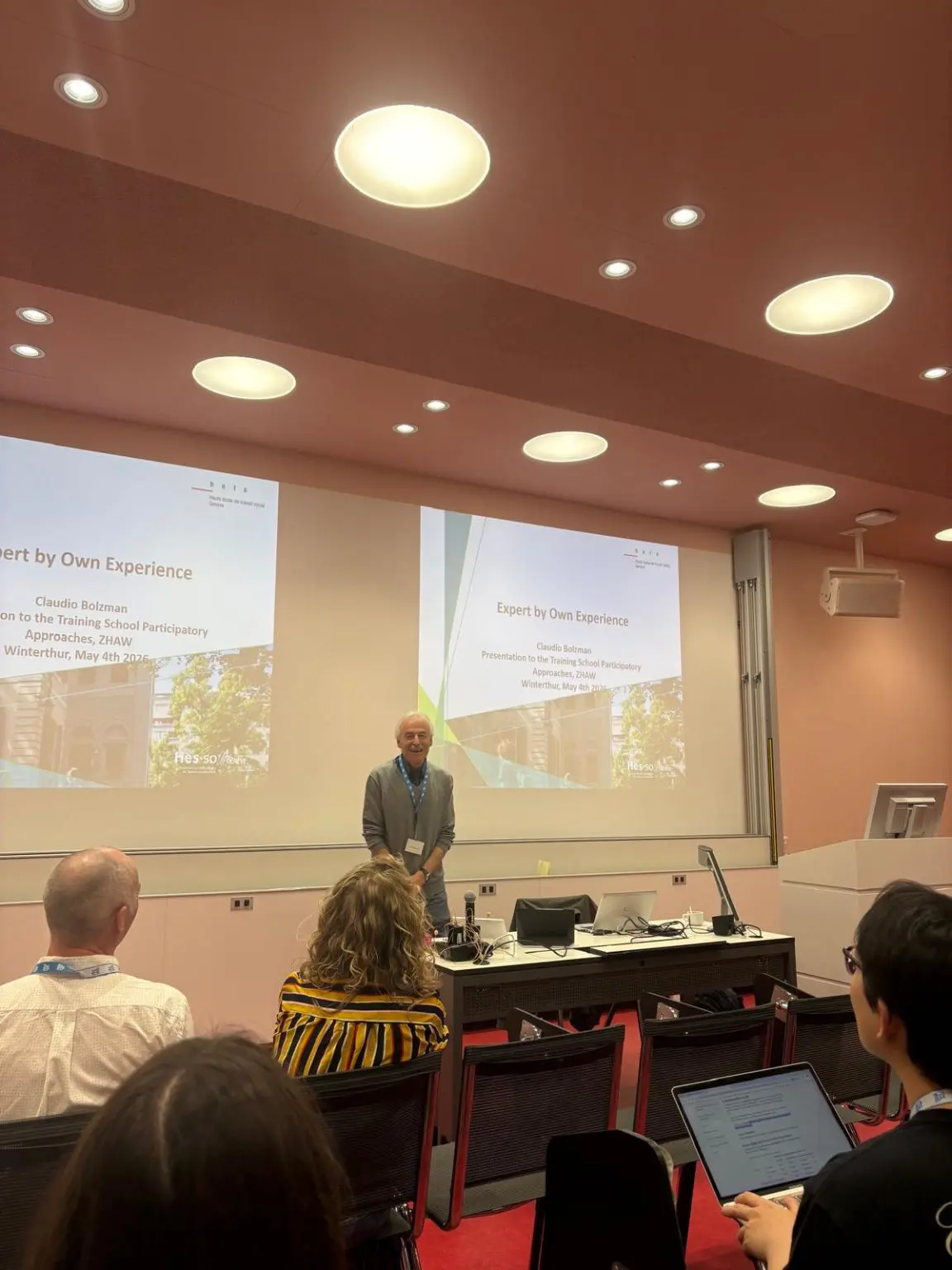
The first day focused on the foundations, values, and motivations behind participatory approaches in research and practice. Sessions explored why participation matters, how lived experience contributes to knowledge production, and how participatory voices can influence political and social debates.
Highlights included:
Introduction to participatory approaches and co-creation methodologies
Discussions on the role of lived experience and “experts by own experience”
Interactive workshops on participatory methods and collaborative engagement
Evening discussions on translating participatory voices into policy and political debates
HOW Doing Participatory Approaches
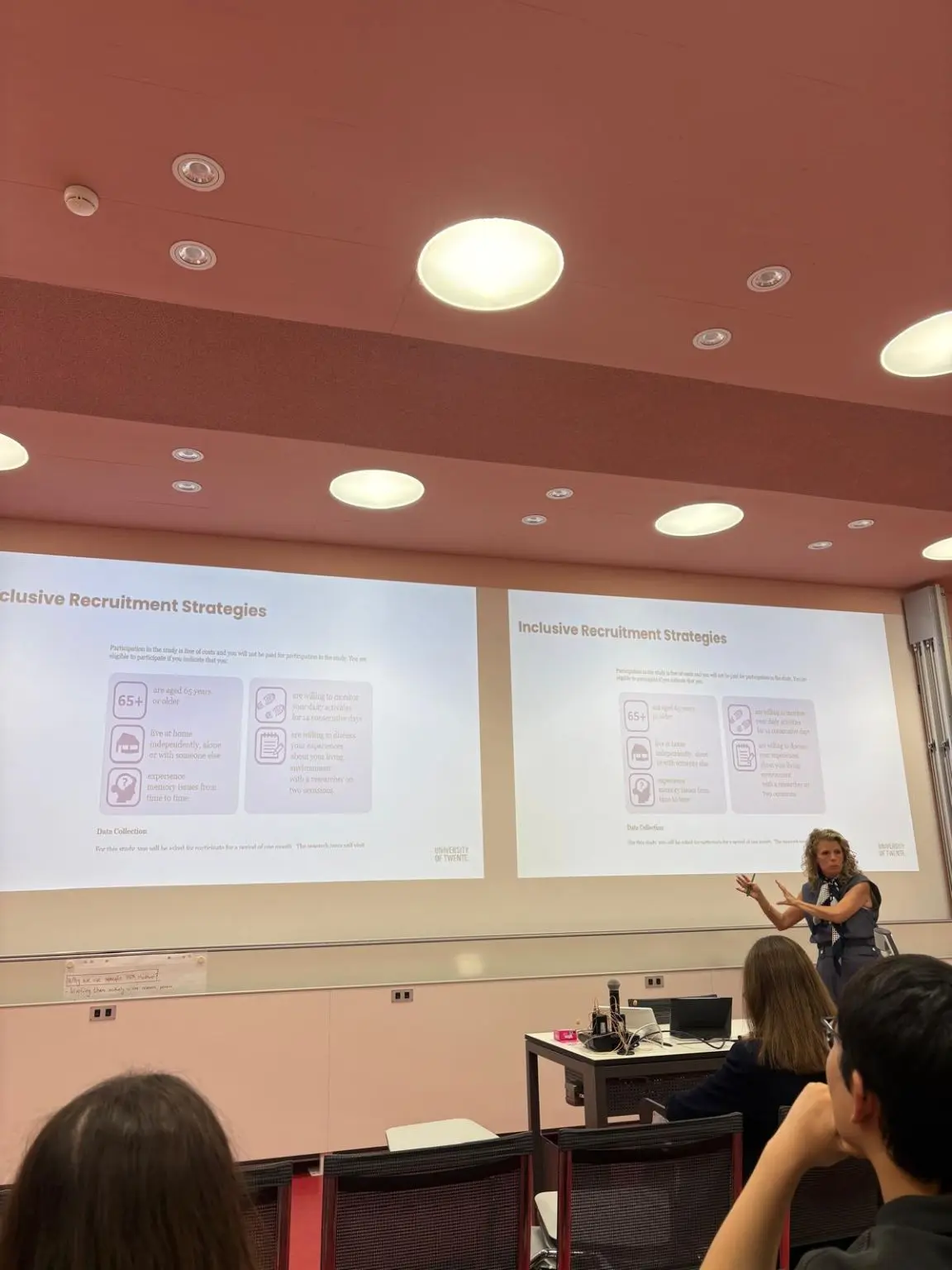
The second day focused on the practical implementation of participatory research and co-creation processes. Participants explored concrete examples, facilitators, barriers, and ethical considerations related to participatory work with older adults and persons with disabilities.
Highlights included:
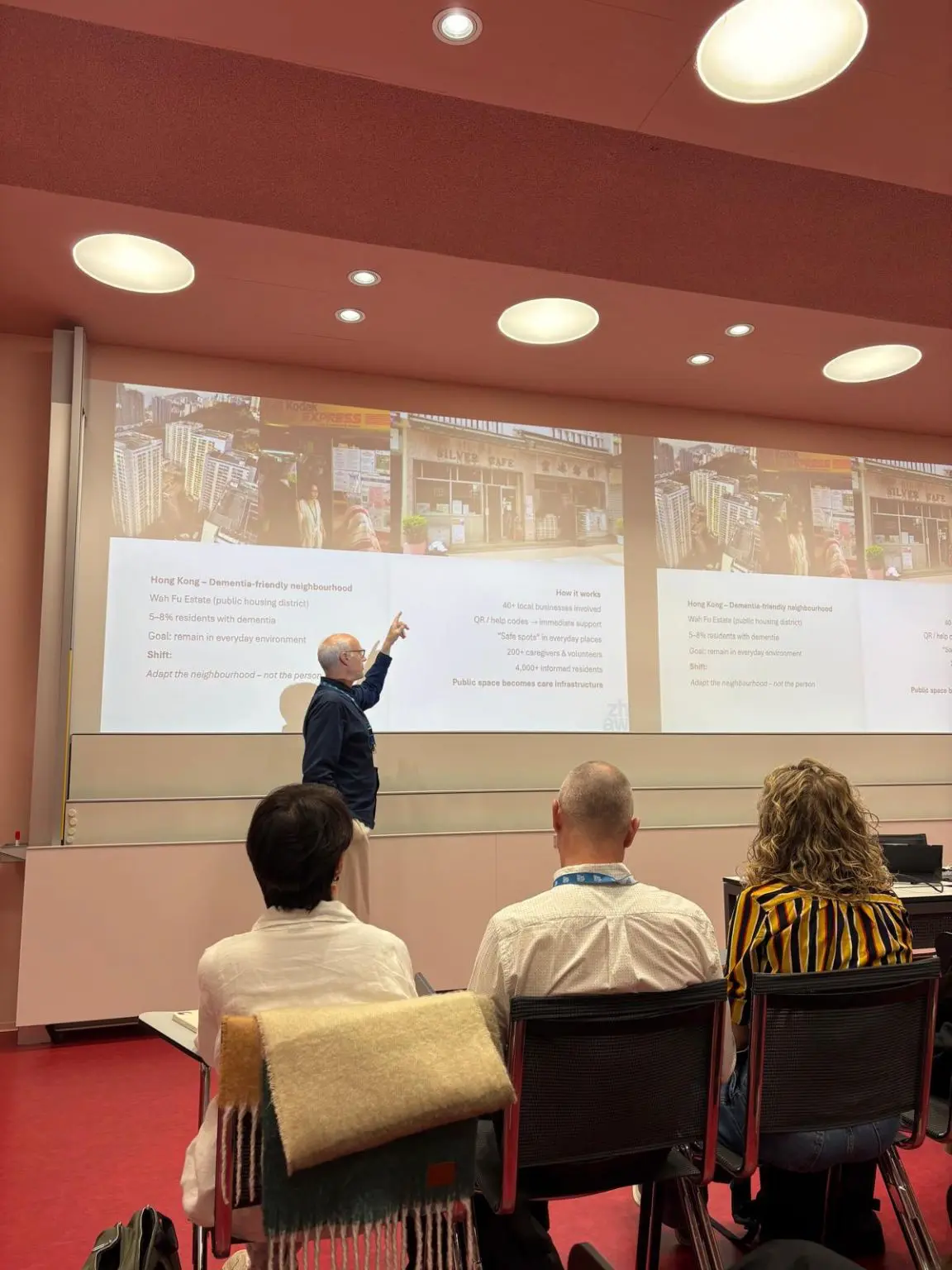
Case examples of participatory research in practice
Discussions on facilitators and barriers in participatory approaches
Workshops exploring different participatory methods and tools
Co-creation workshops focusing on ethics and inclusive collaboration
WHAT Comes After Doing Participatory Approaches
The final day explored the broader impact, sustainability, and future directions of participatory approaches. Through field visits, interdisciplinary exchange, and World Café sessions, participants reflected on how participatory projects can contribute to long-term social change, inclusion, and innovation.
Highlights included:
Field visits to participatory and community-based projects in Winterthur
Examples of outcomes and impacts of participatory approaches
Cross-disciplinary World Café discussions and collaborative exchange
Reflection sessions on future collaboration and implementation
Outcomes
The Joint Training School reinforced the importance of participatory, interdisciplinary, and community-based approaches in research, policy, and practice. Through collaborative discussions and practical engagement, participants reflected on how participation can contribute to inclusion, empowerment, and social innovation.
The event also strengthened collaboration between PAAR-Net and BOPALiM while supporting the development of international networks and future interdisciplinary initiatives.